English
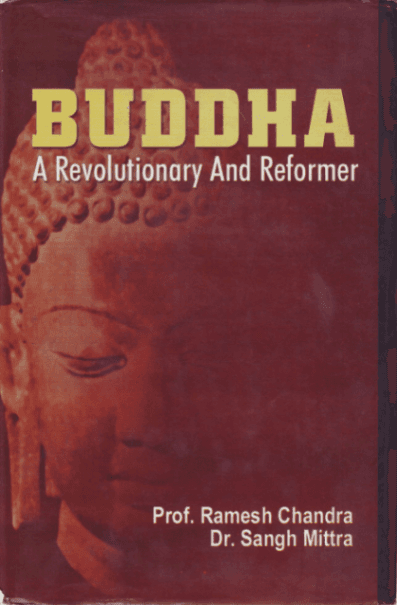
Buddha: A Revolutionary and Reformer
Ramesh Chandra and Dr. Sangh Mittra
English
Book
Commonwealth Publishers, New Delhi
2003
263 pages
22.8 MB
Introduction
1. The Career — Presents the life of Siddhartha Gautama, his enlightenment at Bodh-Gaya, preaching career, travels in Bihar, and the early formation of the Buddhist community.
2. Early Spread of Buddhism — Discusses the rise of Buddhism up to the coronation of Aśoka, emphasizing social, political, economic, and religious conditions that supported its expansion.
3. Buddhist Art in Pre-Aśokan Era — Examines early Buddhist artistic traditions, the role of lay devotion, stupas, monasteries, caves, and early architectural remains.
4. Buddhist and Hindu Educational Institutions — Compares educational practices, curricula, discipline, travel, fine arts, and intellectual training in Buddhist and Hindu contexts.
5. Buddhism Under Aśoka and Later Mauryas — Explores imperial patronage, Buddhist councils, missions, and the spread of Buddhism during and after Aśoka.
6. Buddhism between Fall of Mauryas and Rise of Kushanas — Surveys Buddhist developments in the post-Mauryan and pre-Kushana period.
7. Profession of Faith — Discusses Buddhist faith, refuge, and the religious identity of followers.
8. Four Noble Truths — Presents the foundational Buddhist diagnosis of suffering, its cause, cessation, and path.
9. The Noble Eightfold Path — Explains the practical path of Buddhist ethical, meditative, and wisdom training.
10. Dependent Origination — Introduces the Buddhist doctrine of causality and conditioned existence.
11. Perfection — Discusses the ideal of spiritual cultivation and fulfilment.
12. Morality — Presents ethical discipline as a core element of Buddhist practice.
13. Meditation — Explains the role of meditative training in Buddhist transformation.
14. Individuality and Personality — Discusses the Buddhist understanding of personhood, selfhood, and individuality.
15. Action — Analyzes karma, moral action, and personal responsibility.
16. Buddhist Amity — Presents friendship, compassion, goodwill, and social harmony in Buddhism.
17. Caste — Examines the Buddhist critique of caste hierarchy and birth-based superiority.
18. Norm — Dhamma — Explains Dhamma as ethical law, truth, and guiding principle.
19. Transformation of Buddhism — Discusses later developments and historical changes within Buddhism.
20. Historic Places — Surveys important Buddhist sites associated with the Buddha and Buddhist history.
21. The Assessment — Concludes with an evaluation of the Buddha’s ideology, historical role, and reformist significance.
Copyright Notice
This material is provided solely for academic research, study, and religious practice purposes under Article 25 of Vietnam's Intellectual Property Law. Reproduction, distribution, or commercial use is strictly prohibited.
If you are the author, translator, publisher, or rights holder and believe this content has been posted without proper authorization, please contact us and we will promptly review and remove or restrict access.
Documents
Buddha: A Revolutionary and Reformer
22.8 MB
Keywords
BuddhaBuddhist reformearly BuddhismAśokaBuddhist artcasteDhamma.
Sách đọc nhiều nhất
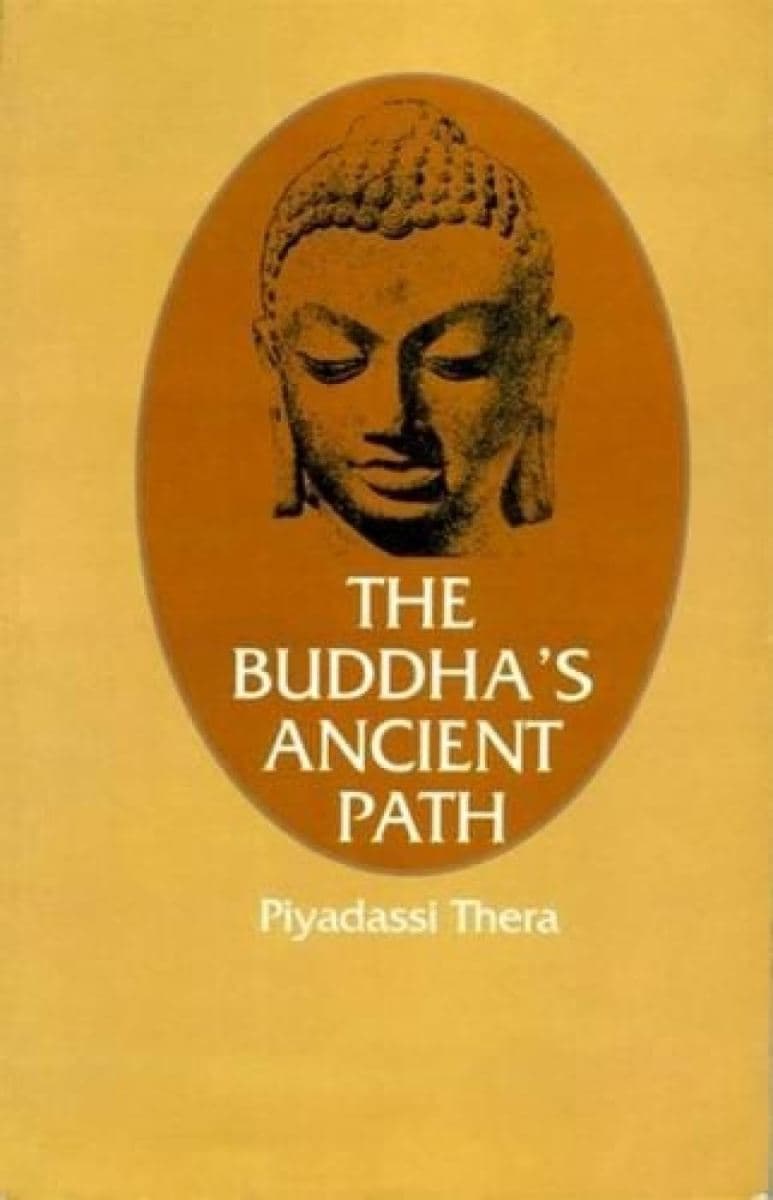
The Buddha’s Ancient Path
Piyadassi Thera
Book·10.7 MB
229 pages1979223
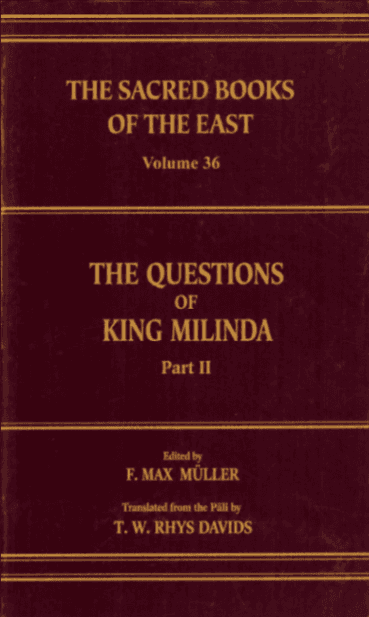
The Questions of King Milinda, Part II
F. Max Müller (Editor)
Book·20.8 MB
427 pages1894208

A Taste of Freedom
Venerable Ajahn Chah / Phra Bodhinyana Thera
Book·1.2 MB
104 pages1980207
Buddhist Meditation: An Anthology of Texts from the Pāli Canon
Sarah Shaw (General Editors: Charles S. Prebish and Damien Keown)
Book·17.5 MB
253 pages2006204