English
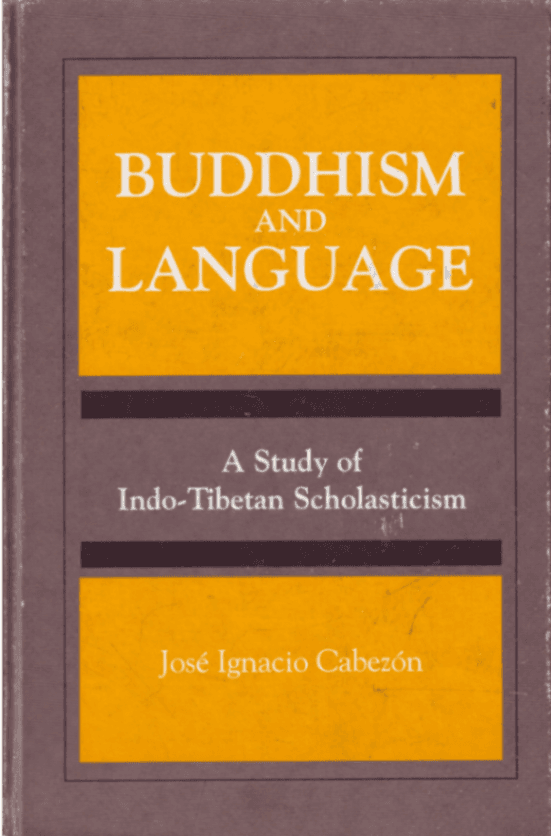
Buddhism and Language: A Study of Indo-Tibetan Scholasticism
José Ignacio Cabezón
English
Book
tate University of New York Press, Albany
1994
300 pages
20.8 MB
Introduction
The book begins by defining scholasticism as a comparative philosophical category and then applies this framework to Indo-Tibetan Buddhism. It first examines the relationship between language and scripture, including the nature of doctrine, the Buddha’s word, the interpretation of scripture, the role of commentary, and the authority granted to sacred texts. It then shifts to the relationship between language and philosophy, addressing the validation of language and conceptual thought, the defense of logic, the connection between language and ontology, and the problem of ineffability in Buddhist discourse. Across these discussions, the work shows how dGe lugs pa scholasticism develops a systematic defense of scriptural interpretation, rational inquiry, conceptual analysis, and philosophical argument while maintaining a Buddhist commitment to liberation beyond attachment to language. The concluding discussion returns to the broader question of scholasticism and shows how Indo-Tibetan Buddhist thought can expand comparative philosophy beyond its traditional Eurocentric framework.
Copyright Notice
This material is provided solely for academic research, study, and religious practice purposes under Article 25 of Vietnam's Intellectual Property Law. Reproduction, distribution, or commercial use is strictly prohibited.
If you are the author, translator, publisher, or rights holder and believe this content has been posted without proper authorization, please contact us and we will promptly review and remove or restrict access.
Documents
Buddhism and Language: A Study of Indo-Tibetan Scholasticism
20.8 MB
Keywords
Buddhist scholasticismIndo-Tibetan Buddhismlanguage and scripturedGe lugs paBuddhist hermeneuticsBuddhist logicineffability.
Sách đọc nhiều nhất
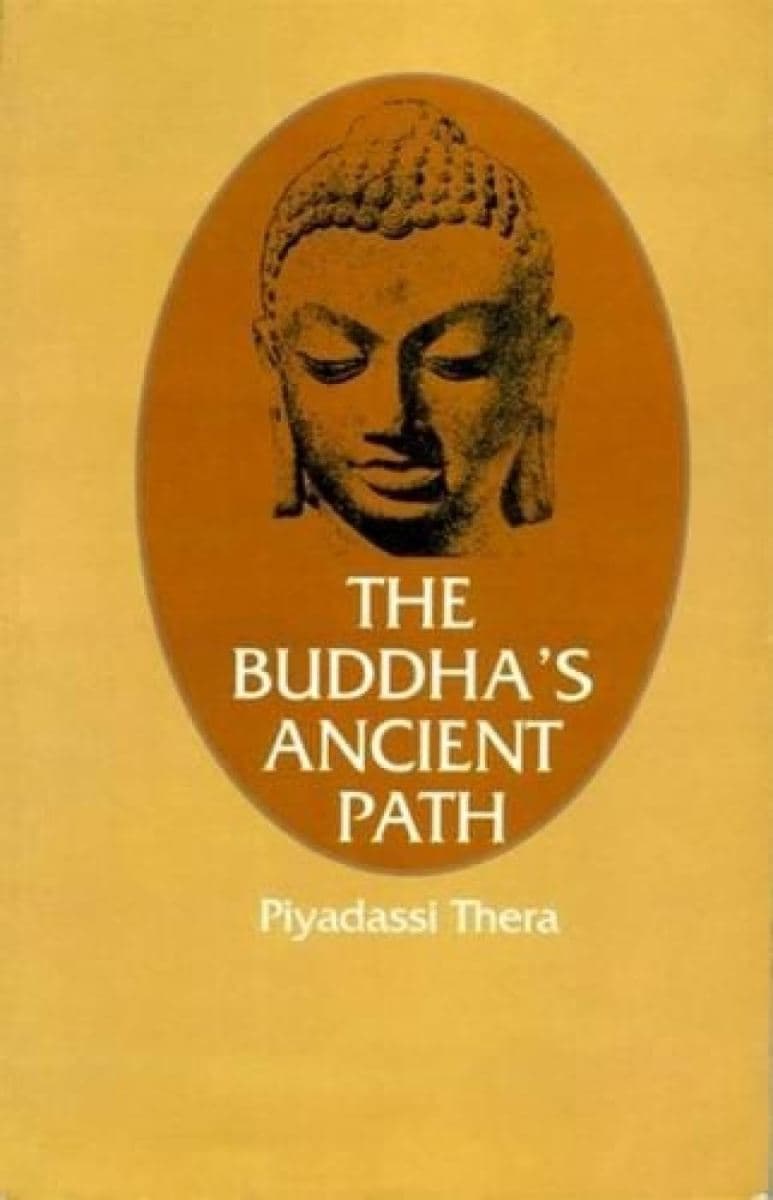
The Buddha’s Ancient Path
Piyadassi Thera
Book·10.7 MB
229 pages1979223
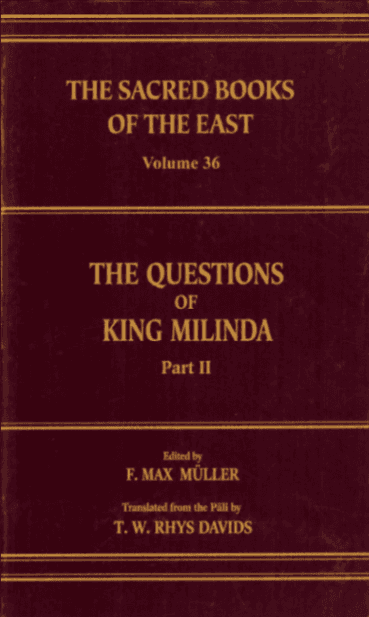
The Questions of King Milinda, Part II
F. Max Müller (Editor)
Book·20.8 MB
427 pages1894208
A Taste of Freedom
Venerable Ajahn Chah / Phra Bodhinyana Thera
Book·1.2 MB
104 pages1980207
Buddhist Meditation: An Anthology of Texts from the Pāli Canon
Sarah Shaw (General Editors: Charles S. Prebish and Damien Keown)
Book·17.5 MB
253 pages2006204