English
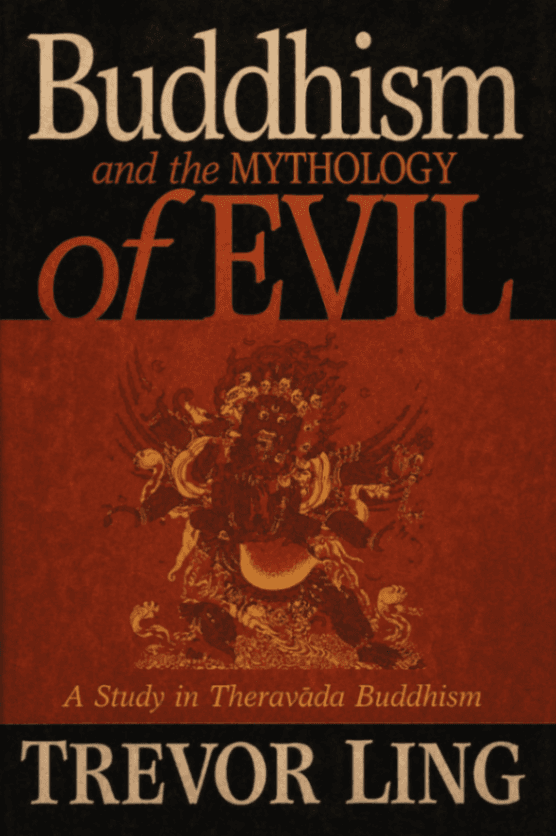
Buddhism and the Mythology of Evil: A Study in Theravāda Buddhism
T. O. Ling
English
Book
George Allen & Unwin Ltd., London
1962
169 pages
4.6 MB
Introduction
The book begins by surveying popular mythologies of evil in ancient India, including beliefs in demons, yakkhas, pisācas, rakkhasas, asuras, hostile spirits, disease-demons, and the practical measures used to avoid or propitiate them. It then turns to “Buddhism without mythology,” showing how the Buddha’s teaching offers a radical analysis of human bondage that does not depend on popular demonological explanations. The central chapters examine the Buddhist symbol of Māra, presenting him as the Evil One who opposes awakening and represents forces such as desire, death, fear, attachment, and spiritual delusion. The study then explains the special value of the Māra-symbol as a bridge between popular belief and Buddhist doctrine: Māra allows Buddhism to retain contact with ordinary religious imagination while redirecting it toward the path of liberation. The final chapter moves beyond mythology to consider religion and the demonic more broadly, showing how Buddhist insight transforms the idea of evil from an external supernatural threat into a profound existential and spiritual problem.
Copyright Notice
This material is provided solely for academic research, study, and religious practice purposes under Article 25 of Vietnam's Intellectual Property Law. Reproduction, distribution, or commercial use is strictly prohibited.
If you are the author, translator, publisher, or rights holder and believe this content has been posted without proper authorization, please contact us and we will promptly review and remove or restrict access.
Documents
Buddhism and the Mythology of Evil: A Study in Theravāda Buddhism
4.6 MB
Keywords
Theravāda BuddhismMāramythology of evilBuddhist demonologyPāli Canonyakkhareligious symbolism.
Sách đọc nhiều nhất
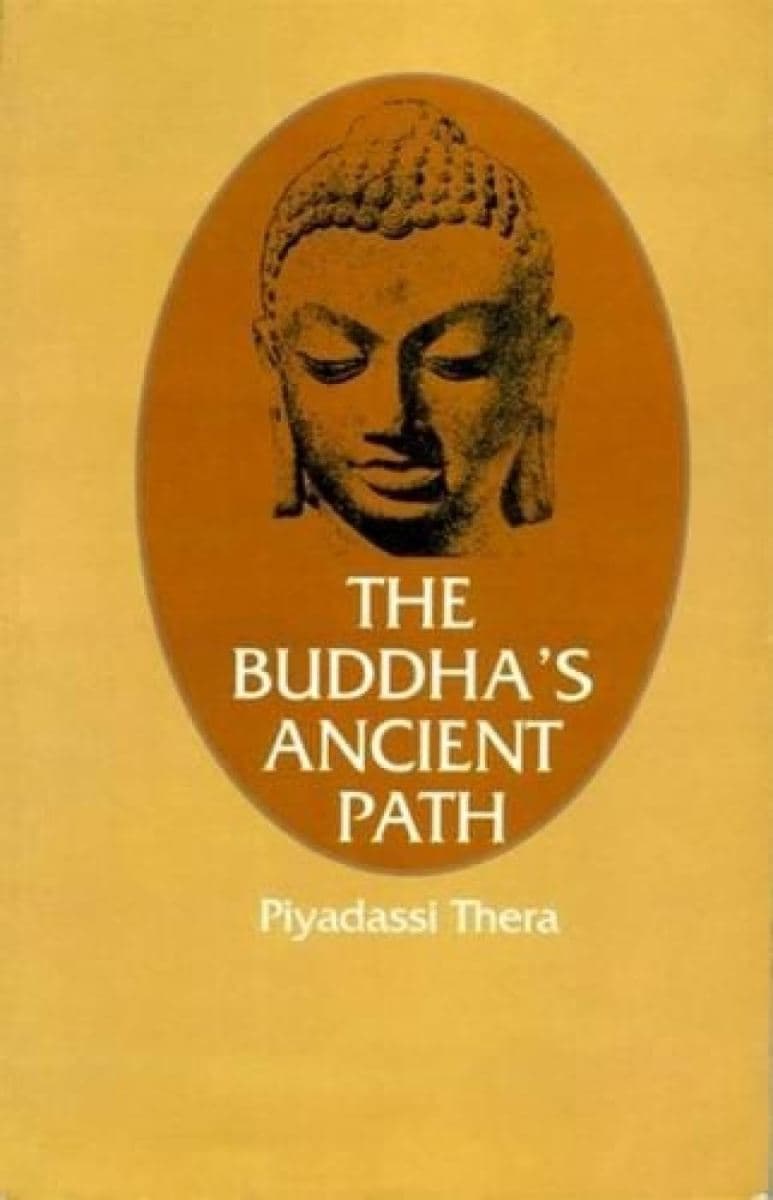
The Buddha’s Ancient Path
Piyadassi Thera
Book·10.7 MB
229 pages1979223
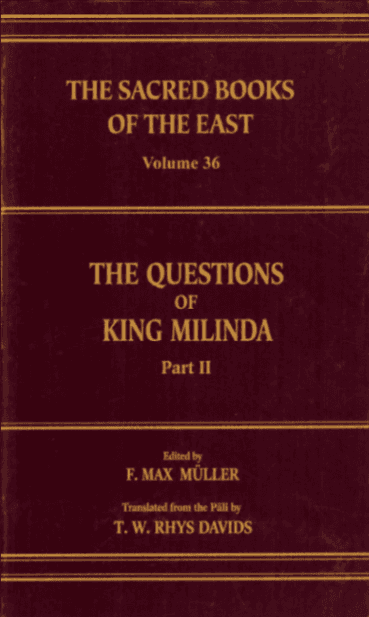
The Questions of King Milinda, Part II
F. Max Müller (Editor)
Book·20.8 MB
427 pages1894208

A Taste of Freedom
Venerable Ajahn Chah / Phra Bodhinyana Thera
Book·1.2 MB
104 pages1980207
Buddhist Meditation: An Anthology of Texts from the Pāli Canon
Sarah Shaw (General Editors: Charles S. Prebish and Damien Keown)
Book·17.5 MB
253 pages2006204