English
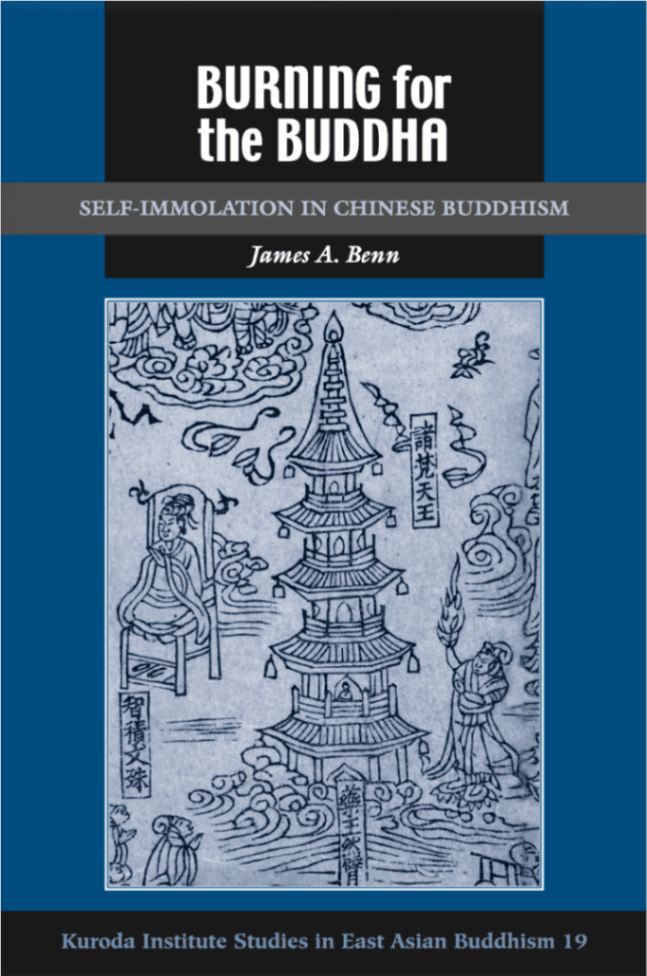
Burning for the Buddha: Self-Immolation in Chinese Buddhism
James A. Benn
English
Book
University of Hawai‘i Press
2007
377 pages
3.2 MB
Introduction
The introduction opens with the case of the monk Daodu, whose self-immolation in 527 CE was surrounded by miraculous signs and later remembered as an act of deep religious significance. From this example, Benn frames self-immolation as a practice rooted in Buddhist ideals of bodily offering, sympathetic resonance, ritual efficacy, and Mahāyāna devotion, rather than as an isolated act of despair.
The chapters proceed historically and thematically: early medieval self-immolation; the Lotus Sūtra, auto-cremation, and the “indestructible tongue”; the relationship between Saṅgha and state; Yongming Yanshou’s evaluation of relinquishing the body; self-immolation in the late Tang and Five Dynasties; and the long history of the practice over more than a thousand years. The appendices provide collections of biographies of self-immolators and critical evaluations of major Chinese Buddhist biographical sources.
Copyright Notice
This material is provided solely for academic research, study, and religious practice purposes under Article 25 of Vietnam's Intellectual Property Law. Reproduction, distribution, or commercial use is strictly prohibited.
If you are the author, translator, publisher, or rights holder and believe this content has been posted without proper authorization, please contact us and we will promptly review and remove or restrict access.
Documents
Burning for the Buddha: Self-Immolation in Chinese Buddhism
3.2 MB
Keywords
Self-immolationChinese BuddhismJames A. BennBurning for the BuddhaLotus SūtraMedicine King BodhisattvaAbandoning the bodyBuddhist asceticismBuddhist hagiography.
Sách đọc nhiều nhất
The Buddha’s Ancient Path
Piyadassi Thera
Book·10.7 MB
229 pages1979223
The Questions of King Milinda, Part II
F. Max Müller (Editor)
Book·20.8 MB
427 pages1894208

A Taste of Freedom
Venerable Ajahn Chah / Phra Bodhinyana Thera
Book·1.2 MB
104 pages1980207
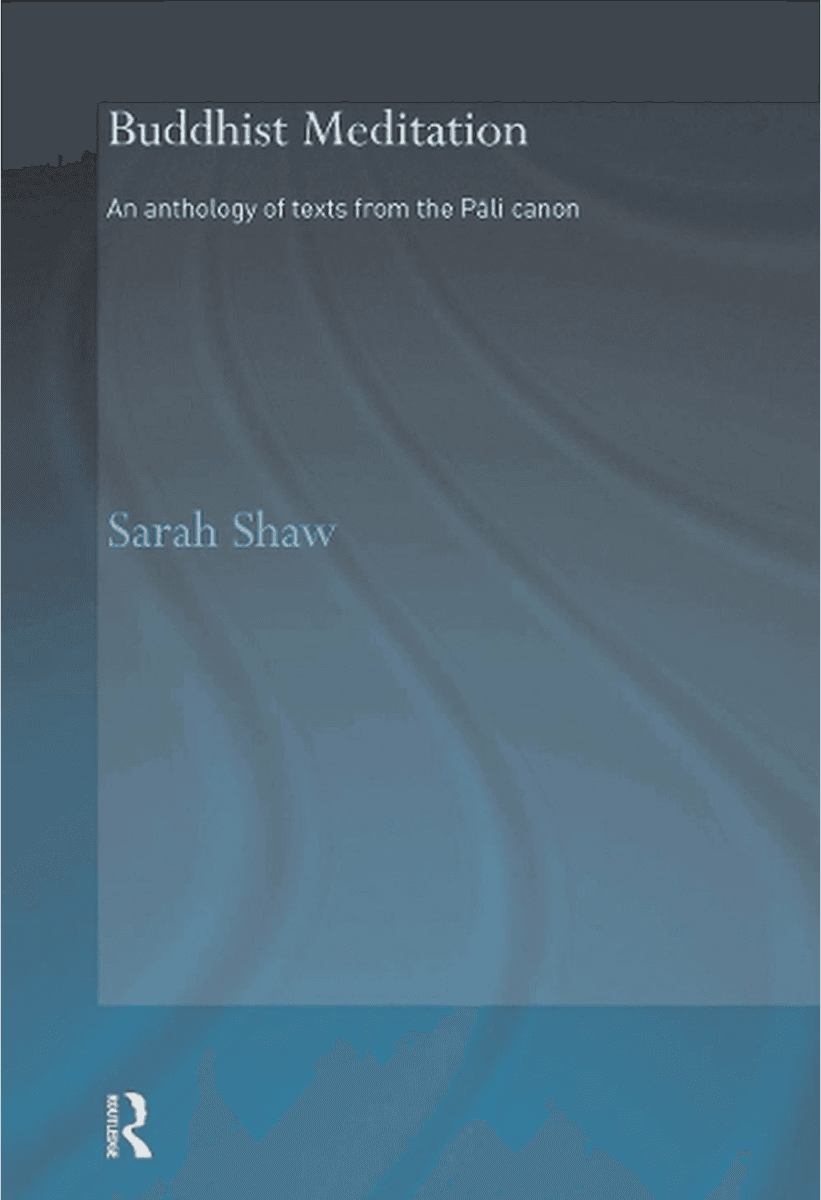
Buddhist Meditation: An Anthology of Texts from the Pāli Canon
Sarah Shaw (General Editors: Charles S. Prebish and Damien Keown)
Book·17.5 MB
253 pages2006204