English
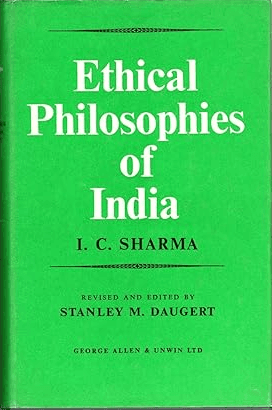
Ethical Philosophies of India
I. C. Sharma (Edited by Stanley M. Daugert)
English
Book
P & P International Publishing Company
1991
186 pages
390.9 MB
Introduction
Chapter I: Introduction — Defines ethics, its relation to other sciences, and its role as a normative study of human conduct.
Chapter II: Historical Background of Indian Ethics — Discusses Western interpretations of Indian philosophy, the Indian ethical ideal, humanistic orientation, and special features of Indian ethics.
Chapter III: The Ethics of the Vedas — Examines Vedic moral values and the development of Varṇa Vyavasthā.
Chapter IV: The Ethics of the Upaniṣads — Discusses Varṇa Vyavasthā, Āśrama Dharma, and the four Puruṣārthas.
Chapter V: The Hedonistic Ethics of the Cārvāka System — Presents the materialist and pleasure-oriented ethical position of Cārvāka.
Chapter VI: The Ethics of Jainism — Explains Jaina ethics through soul, non-soul, merit, demerit, restraint, nirjarā, mokṣa, asceticism, and householders’ duties.
Chapter VII: The Ethics of Buddhism — Analyzes suffering, its cause, its cessation, the Noble Eightfold Path, and Nirvāṇa.
Chapter VIII: The Ethics of Nyāya and Vaiśeṣika — Presents ethical ideas within Nyāya and Vaiśeṣika systems.
Chapter IX: The Ethics of Sāṃkhya and Yoga — Explains Sāṃkhya-Yoga ethics, including yama, niyama, āsana, prāṇāyāma, pratyāhāra, dhāraṇā, dhyāna, and samādhi.
Chapter X: The Activistic Ethics of Mīmāṃsā — Discusses artha, kāma, dharma, and mokṣa in relation to action and duty.
Chapter XI: The Ethics of the Advaita Vedānta — Examines Śaṅkara’s view of māyā, the world, morality, and liberation.
Chapter XII: The Ethics of the Bhagavadgītā — Discusses dharma, the ideal of sthitaprajña, knowledge, devotion, and disciplined action.
Chapter XIII: Contemporary Indian Ethics: Tagore’s Universalistic Personalism — Presents Tagore’s ethical and philosophical vision.
Chapter XIV: Contemporary Indian Ethics: The Spiritual Humanism of Radhakrishnan — Explains spiritual humanism, the spirit in man, and intuitive method.
Chapter XV: Contemporary Indian Ethics: Gandhian Ethics Based on Pragmatic Spiritualism — Discusses Gandhi’s non-violence, metaphysical basis of ethics, and social application.
Chapter XVI: Contemporary Indian Ethics: Humanistic Ethics: Nehru’s Realistic Idealism — Examines Nehru’s humanism, ethical philosophy, and the ethics of Pañcaśīla.
Chapter XVII: Conclusion: The Contribution of Indian Ethics to Human Well-Being — Summarizes Indian ethics as a resource for spiritual regeneration, social harmony, and human welfare.
Copyright Notice
This material is provided solely for academic research, study, and religious practice purposes under Article 25 of Vietnam's Intellectual Property Law. Reproduction, distribution, or commercial use is strictly prohibited.
If you are the author, translator, publisher, or rights holder and believe this content has been posted without proper authorization, please contact us and we will promptly review and remove or restrict access.
Documents
Ethical Philosophies of India
390.9 MB
Keywords
Indian EthicsDharmaMoral PhilosophyBuddhismJainismVedāntaGandhi.
Sách đọc nhiều nhất
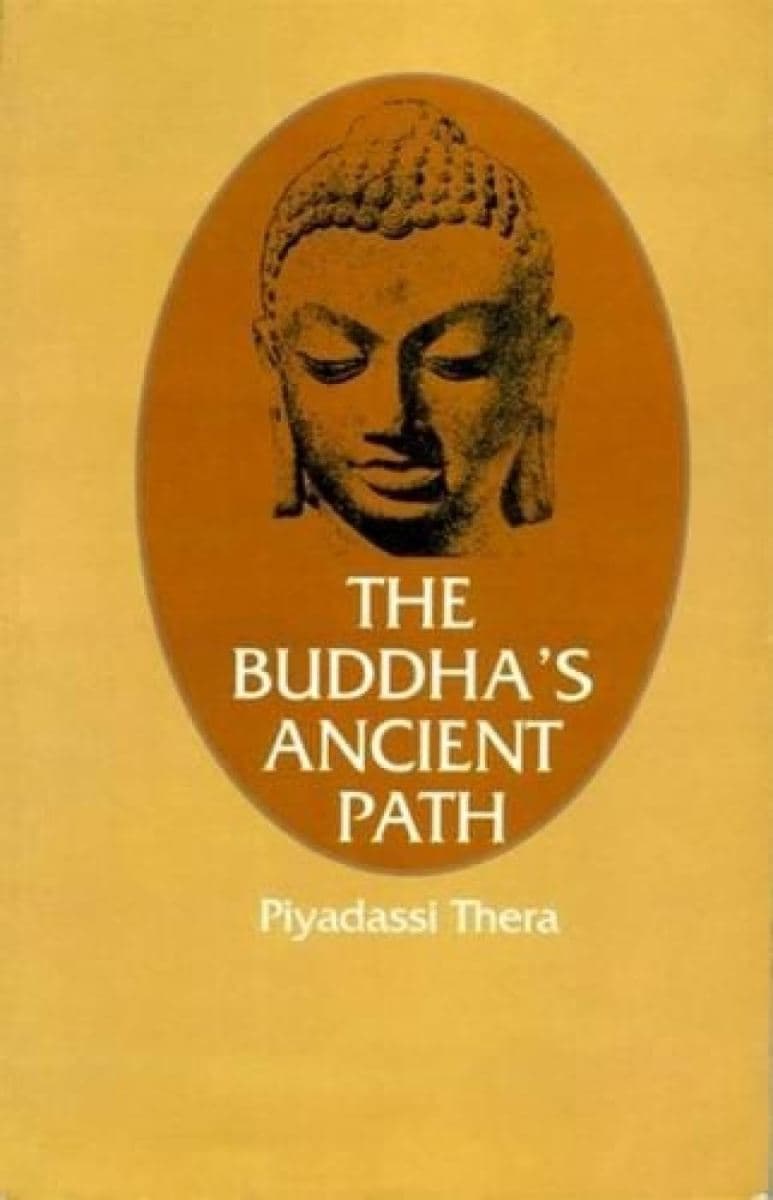
The Buddha’s Ancient Path
Piyadassi Thera
Book·10.7 MB
229 pages1979223
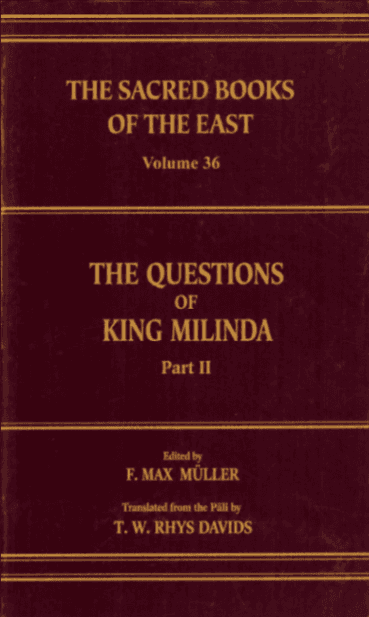
The Questions of King Milinda, Part II
F. Max Müller (Editor)
Book·20.8 MB
427 pages1894208

A Taste of Freedom
Venerable Ajahn Chah / Phra Bodhinyana Thera
Book·1.2 MB
104 pages1980207
Buddhist Meditation: An Anthology of Texts from the Pāli Canon
Sarah Shaw (General Editors: Charles S. Prebish and Damien Keown)
Book·17.5 MB
253 pages2006204