English
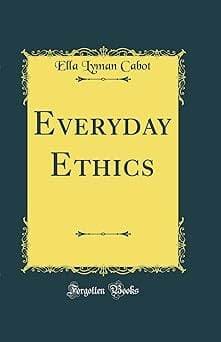
Everyday Ethics
Ella Lyman Cabot
English
Book
George Bell and Sons, London
1907
465 pages
29.3 MB
Introduction
Chapter I: The Diffusion of Ethics — Shows that ethical questions arise in all areas of ordinary life and human interest.
Chapter II: Boundaries — Discusses responsibility, choice, voluntary and involuntary action.
Chapter III: The Power of Purpose — Explains purpose as the core of moral life and moral classification.
Chapter IV: Goodness, the Essence of Manhood — Defines goodness in relation to chosen purpose, sacrifice, and fulfilment.
Chapter V: How to Judge Purposes — Presents criteria for judging acts and purposes.
Chapter VI: The Darkness of Sin — Interprets sin as avoidance of light and abandonment of one’s aim.
Chapter VII: The Light of Conscience — Describes conscience as the will to know the right act.
Chapter VIII: Conscience, Custom and Law — Examines the relation between morality, law, and social custom.
Chapter IX: Interests as Life Givers and Life Savers — Discusses interests as sources of moral vitality and reform.
Chapter X: The Choice of Interests — Classifies interests and explains how to choose them rightly.
Chapter XI: Effort, Sacrifice, and Drudgery — Connects growth with effort and right sacrifice.
Chapter XII: Selfishness — Analyzes selfhood, narrowness, and unselfish action.
Chapter XIII: Sympathy — Presents sympathy as an expansion of selfhood and creative moral force.
Chapter XIV: Imagination — Shows the moral value of imagination in fulfilling aims.
Chapter XV: Memory — Discusses memory as central to integrity and resistance to temptation.
Chapter XVI: Courage — Distinguishes courage from fearlessness and gives methods for conquering fear.
Chapter XVII: Thought Aglow with Feeling — Explores the relation between feeling, thought, and artistic expression.
Chapter XVIII: Thought and Action — Examines action, reflection, temptation, and growth.
Chapter XIX: Truth — Discusses falsehood, truthfulness, and accurate communication.
Chapter XX: Truth Speaking as a Fine Art — Treats truth-speaking as a disciplined moral skill.
Chapter XXI: Open-Mindedness and Prejudice — Analyzes prejudice, loyalty, fairness, and open-mindedness.
Chapter XXII: Self-Government — Discusses obedience, self-rule, and chosen discipline.
Chapter XXIII: The Use of Time — Explains the moral meaning of saving, shaping, and using time.
Copyright Notice
This material is provided solely for academic research, study, and religious practice purposes under Article 25 of Vietnam's Intellectual Property Law. Reproduction, distribution, or commercial use is strictly prohibited.
If you are the author, translator, publisher, or rights holder and believe this content has been posted without proper authorization, please contact us and we will promptly review and remove or restrict access.
Documents
Everyday Ethics
29.3 MB
Keywords
Everyday EthicsMoral EducationPurposeConscienceCharacter FormationTruthfulnessSelf-Government.
Sách đọc nhiều nhất
The Buddha’s Ancient Path
Piyadassi Thera
Book·10.7 MB
229 pages1979223
The Questions of King Milinda, Part II
F. Max Müller (Editor)
Book·20.8 MB
427 pages1894208

A Taste of Freedom
Venerable Ajahn Chah / Phra Bodhinyana Thera
Book·1.2 MB
104 pages1980207
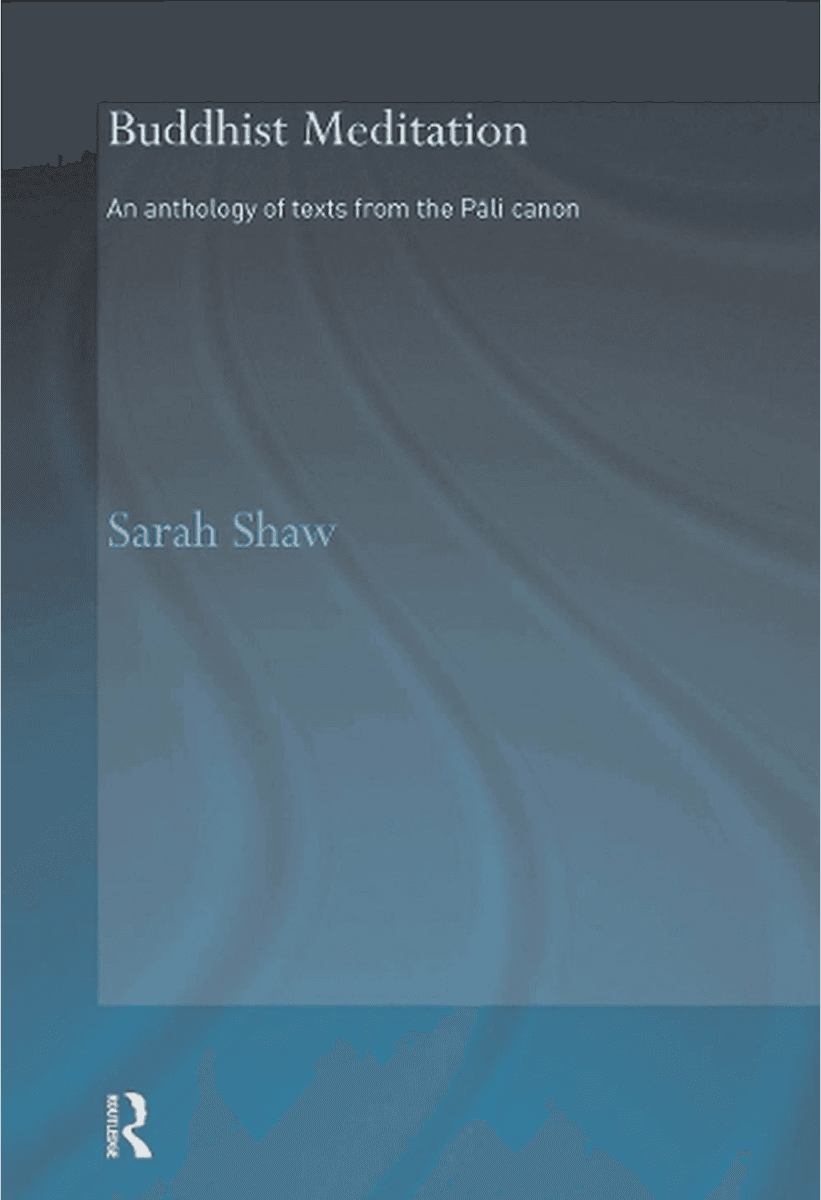
Buddhist Meditation: An Anthology of Texts from the Pāli Canon
Sarah Shaw (General Editors: Charles S. Prebish and Damien Keown)
Book·17.5 MB
253 pages2006204