Giới thiệu
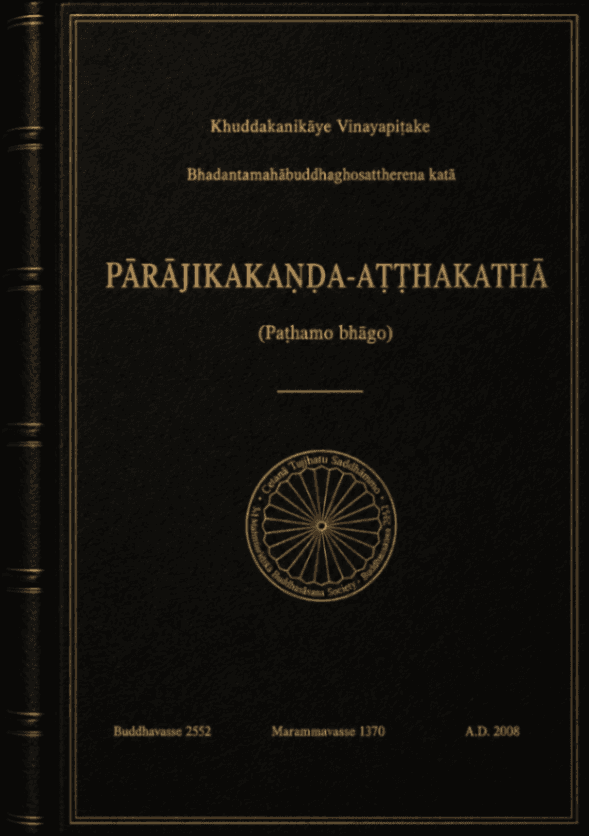
Nidānakathā: Presents the historical and doctrinal importance of preserving the Buddha’s teaching; discusses the transmission of the Tipiṭaka, the need for textual purification, and the background of the Chaṭṭhasaṅgīti tradition.
Ganthārambhakathā: Opens the commentary with homage to the Triple Gem and explains the authorial purpose: to present a Pāli-based Vinaya explanation grounded in earlier commentarial sources.
Bāhiranidānakathā: Gives the external background to the Vinaya, including the origin of the recited text, the role of Upāli, and the transmission lineage of the Vinaya.
Paṭhamamahāsaṅgītikathā: Describes the First Buddhist Council at Rājagaha under Mahākassapa, with Upāli answering questions on Vinaya and Ānanda answering questions on Dhamma.
Dutiyasaṅgītikathā: Explains the Second Council at Vesālī and the settlement of the ten controversial practices of the Vajjiputtaka monks.
Tatiyasaṅgītikathā: Describes the Third Council associated with Moggaliputtatissa and King Asoka, including the purification of the Saṅgha and the preservation of orthodox teaching.
Verañjakaṇḍavaṇṇanā: Explains the introductory narrative connected with the Buddha’s stay at Verañjā and the contextual setting of Vinaya formulation.
Paṭhamapārājika — Sudinnabhāṇavāravaṇṇanā: Gives detailed commentary on the first pārājika rule concerning sexual intercourse, including the Sudinna episode, word analysis, categories of offence, exceptions, and legal cases.
Dutiyapārājika — Dhaniyavatthuvaṇṇanā: Begins the commentary on the second pārājika rule concerning theft, including Dhaniya’s case and detailed Vinaya analysis of taking what is not given.
Pāḷimuttakavinicchaya and related sections: Provides extra-canonical legal determinations, classifications of theft, object-based cases, intentional acts, offence Nidānakathā: Presents the historical and doctrinal importance of preserving the Buddha’s teaching; discusses the transmission of the Tipiṭaka, the need for textual purification, and the background of the Chaṭṭhasaṅgīti tradition.
Ganthārambhakathā: Opens the commentary with homage to the Triple Gem and explains the authorial purpose: to present a Pāli-based Vinaya explanation grounded in earlier commentarial sources.
Bāhiranidānakathā: Gives the external background to the Vinaya, including the origin of the recited text, the role of Upāli, and the transmission lineage of the Vinaya.
Paṭhamamahāsaṅgītikathā: Describes the First Buddhist Council at Rājagaha under Mahākassapa, with Upāli answering questions on Vinaya and Ānanda answering questions on Dhamma.
Dutiyasaṅgītikathā: Explains the Second Council at Vesālī and the settlement of the ten controversial practices of the Vajjiputtaka monks.
Tatiyasaṅgītikathā: Describes the Third Council associated with Moggaliputtatissa and King Asoka, including the purification of the Saṅgha and the preservation of orthodox teaching.
Verañjakaṇḍavaṇṇanā: Explains the introductory narrative connected with the Buddha’s stay at Verañjā and the contextual setting of Vinaya formulation.
Paṭhamapārājika — Sudinnabhāṇavāravaṇṇanā: Gives detailed commentary on the first pārājika rule concerning sexual intercourse, including the Sudinna episode, word analysis, categories of offence, exceptions, and legal cases.
Dutiyapārājika — Dhaniyavatthuvaṇṇanā: Begins the commentary on the second pārājika rule concerning theft, including Dhaniya’s case and detailed Vinaya analysis of taking what is not given.
Pāḷimuttakavinicchaya and related sections: Provides extra-canonical legal determinations, classifications of theft, object-based cases, intentional acts, offence distinctions, non-offence distinctions, miscellaneous analysis, and adjudicated cases.