English
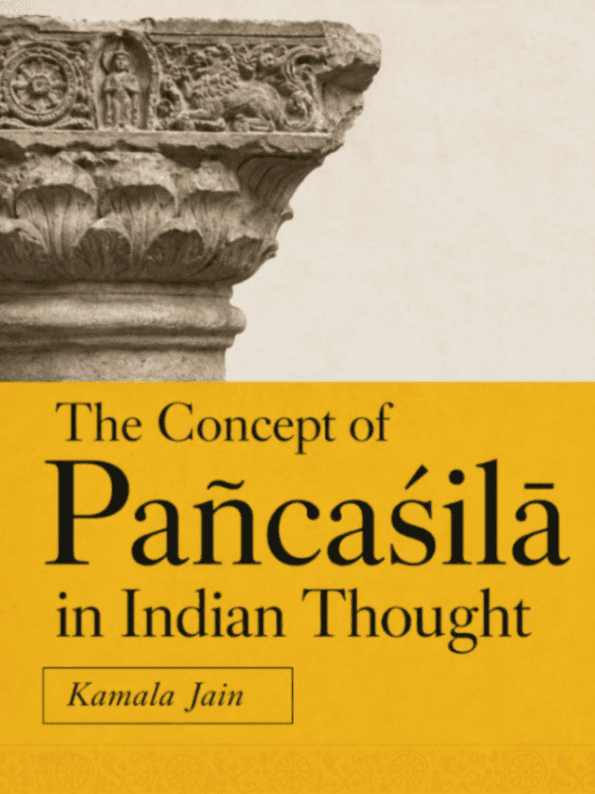
The Concept of Pañcaśilā in Indian Thought
Kamala Jain
English
Book
Parshwanath Vidyashram Research Institute
1993
143 pages
11.1 MB
Introduction
The book begins with a general discussion of śīla and its allied problems. It defines śīla as moral conduct, good character, and ethical discipline, then examines its relationship with happiness, social order, spiritual development, and liberation. The first chapter also compares moral systems in Indian thought, including Brāhmaṇical, Buddhist, Jain, and Yogic approaches. The following chapters study each major ethical principle individually. The chapter on non-violence analyzes ahiṃsā as a central value in Indian ethics, with special attention to Buddhist and Jain interpretations. The chapter on non-stealing examines the ethical implications of property, restraint, social trust, and right conduct. The chapter on celibacy and chastity discusses brahmacarya, purity, marriage, restraint, and spiritual discipline. The chapter on truth studies the ethical and metaphysical importance of truthfulness. The final chapter discusses avoidance of intoxicants and non-possession, linking moral restraint with clarity of mind, social responsibility, and spiritual progress.
Copyright Notice
This material is provided solely for academic research, study, and religious practice purposes under Article 25 of Vietnam's Intellectual Property Law. Reproduction, distribution, or commercial use is strictly prohibited.
If you are the author, translator, publisher, or rights holder and believe this content has been posted without proper authorization, please contact us and we will promptly review and remove or restrict access.
Documents
The Concept of Pañcaśilā in Indian Thought
11.1 MB
Keywords
PañcaśilāŚīlaIndian EthicsBuddhismJainismAhiṃsāBrahmacarya.
Sách đọc nhiều nhất
The Buddha’s Ancient Path
Piyadassi Thera
Book·10.7 MB
229 pages1979223
The Questions of King Milinda, Part II
F. Max Müller (Editor)
Book·20.8 MB
427 pages1894208

A Taste of Freedom
Venerable Ajahn Chah / Phra Bodhinyana Thera
Book·1.2 MB
104 pages1980207
Buddhist Meditation: An Anthology of Texts from the Pāli Canon
Sarah Shaw (General Editors: Charles S. Prebish and Damien Keown)
Book·17.5 MB
253 pages2006204