English
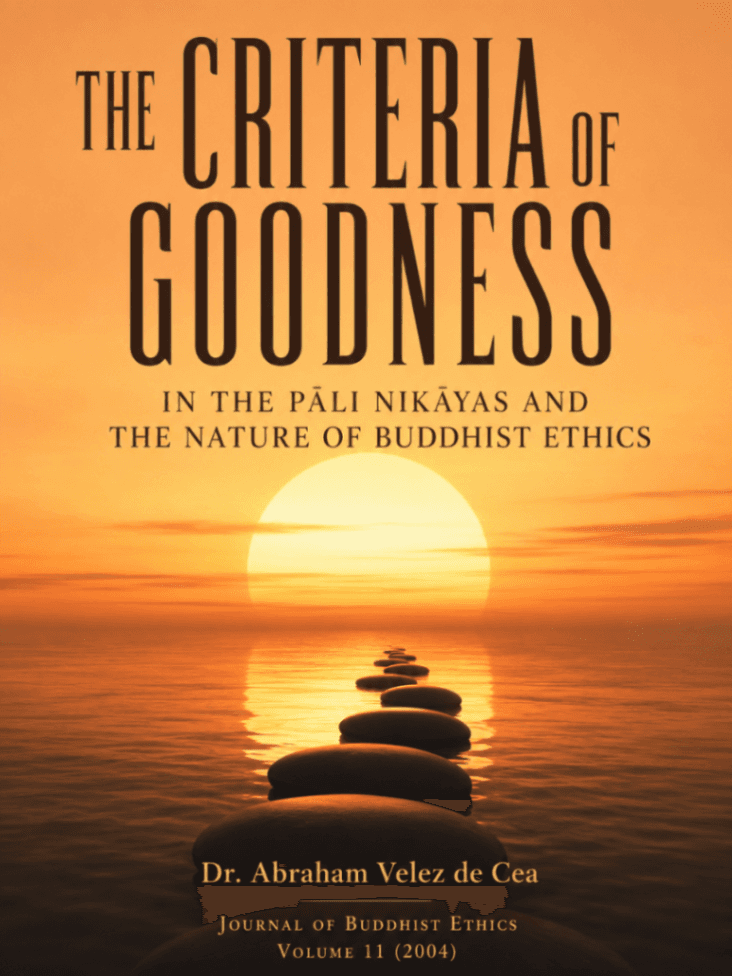
The Criteria of Goodness in the Pāli Nikāyas and the Nature of Buddhist Ethics
Dr. Abraham Velez de Cea
English
Journal
Journal of Buddhist Ethics, Volume 11
2004
21 pages
132 KB
Introduction
The article begins by presenting Keown’s Buddhist virtue ethics, especially his claim that Buddhist morality is grounded in nirvāṇa as the highest good and in the cultivation of wholesome mental states. It then identifies problems in this approach, particularly the marginalization of proximate ethical goals such as merit, good rebirth, prosperity, reputation, and happiness, all of which play an important role in Buddhist texts and lived Buddhist practice.
The main sections develop an expanded interpretation of Buddhist ethics by introducing the distinction between instrumental and teleological goods, then analyzing key Pāli Nikāya sources such as the Ambalaṭṭhikārāhulovāda Sutta, Kālāma Sutta, and Bāhitika Sutta. The article concludes that early Buddhist ethics integrates virtue ethics, concern for consequences, and the intrinsic moral character of certain actions, making it a complex and sui generis ethical framework rather than a simple equivalent of any single Western ethical theory.
Copyright Notice
This material is provided solely for academic research, study, and religious practice purposes under Article 25 of Vietnam's Intellectual Property Law. Reproduction, distribution, or commercial use is strictly prohibited.
If you are the author, translator, publisher, or rights holder and believe this content has been posted without proper authorization, please contact us and we will promptly review and remove or restrict access.
Documents
The Criteria of Goodness in the Pāli Nikāyas and the Nature of Buddhist Ethics
132 KB
Keywords
Buddhist ethicsPāli NikāyasAbraham Velez de CeaDamien KeownVirtue ethicsKusalaPuññaNirvāṇaKarmaMoral realism.
Sách đọc nhiều nhất
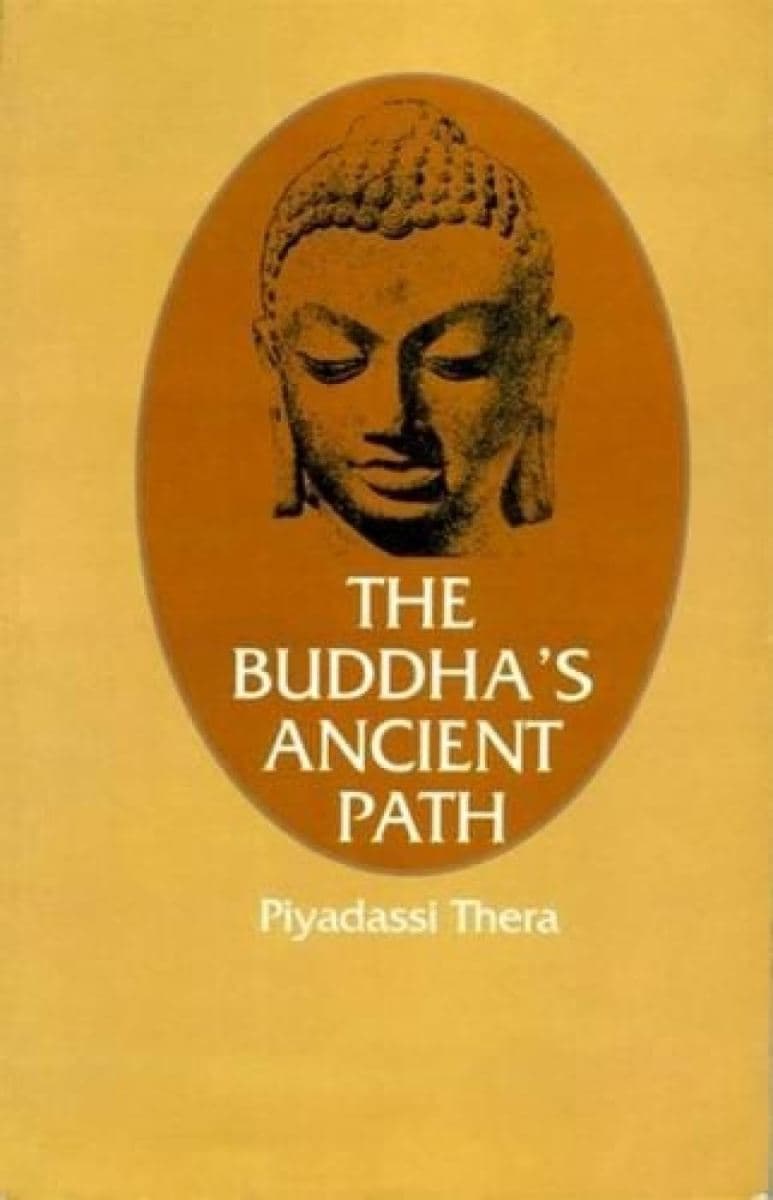
The Buddha’s Ancient Path
Piyadassi Thera
Book·10.7 MB
229 pages1979223
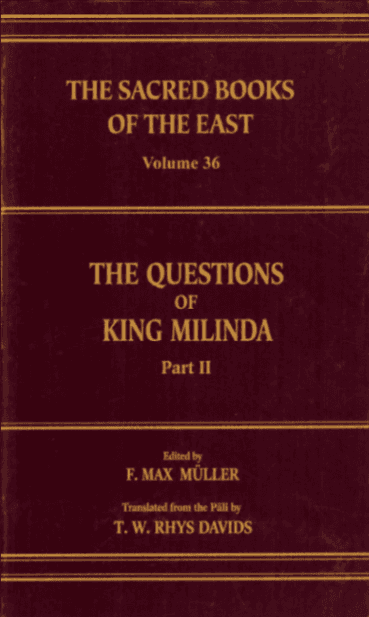
The Questions of King Milinda, Part II
F. Max Müller (Editor)
Book·20.8 MB
427 pages1894208

A Taste of Freedom
Venerable Ajahn Chah / Phra Bodhinyana Thera
Book·1.2 MB
104 pages1980207
Buddhist Meditation: An Anthology of Texts from the Pāli Canon
Sarah Shaw (General Editors: Charles S. Prebish and Damien Keown)
Book·17.5 MB
253 pages2006204