English
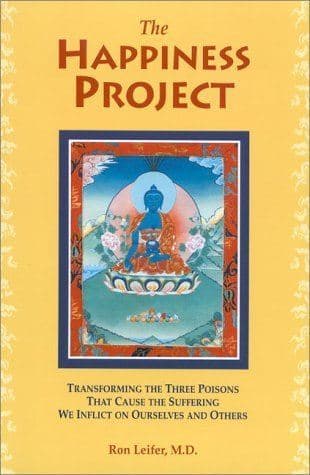
The Happiness Project: Transforming the Three Poisons That Cause the Suffering We Inflict on Ourselves and Others
Ron Leifer, M.D.
English
Book
Snow Lion Publications, Ithaca, New York, USA
1997
307 pages
162.8 MB
Introduction
The book is organized into four broad movements. The introductory chapters discuss the secrets of happiness, the reconciliation of science and religion, and the case history of a typical sufferer. “The Buddhist View” presents the Buddhist framework of view, path, and fruition; the Buddha and his teaching; the First Noble Truth of suffering and the three facts of existence; the Second Noble Truth of desire; self and identity as basic bewilderment; and neurosis as a meeting point between Buddhist and Western thought. “Western Views of Suffering” examines suffering through science, medicine, psychotherapy, Western religion, Genesis, the Book of Job, Oedipus Rex, Jesus, and politics. “Western Views of Desire” studies desire as the basis of the happiness project, sin, crime, ethics, morality, hidden wishes, neurosis, and civilizational discontent. “Western Views of Self” traces the evolution of self, the emergence of the personal “I,” and the mythic polarization of paradise. The final section, “Transforming Suffering,” presents meditation on happiness as the practical culmination of the work.
Copyright Notice
This material is provided solely for academic research, study, and religious practice purposes under Article 25 of Vietnam's Intellectual Property Law. Reproduction, distribution, or commercial use is strictly prohibited.
If you are the author, translator, publisher, or rights holder and believe this content has been posted without proper authorization, please contact us and we will promptly review and remove or restrict access.
Documents
The Happiness Project: Transforming the Three Poisons That Cause the Suffering We Inflict on Ourselves and Others
162.8 MB
Keywords
Happinessthree poisonssufferingBuddhist psychologydesireselfpsychotherapy
Sách đọc nhiều nhất
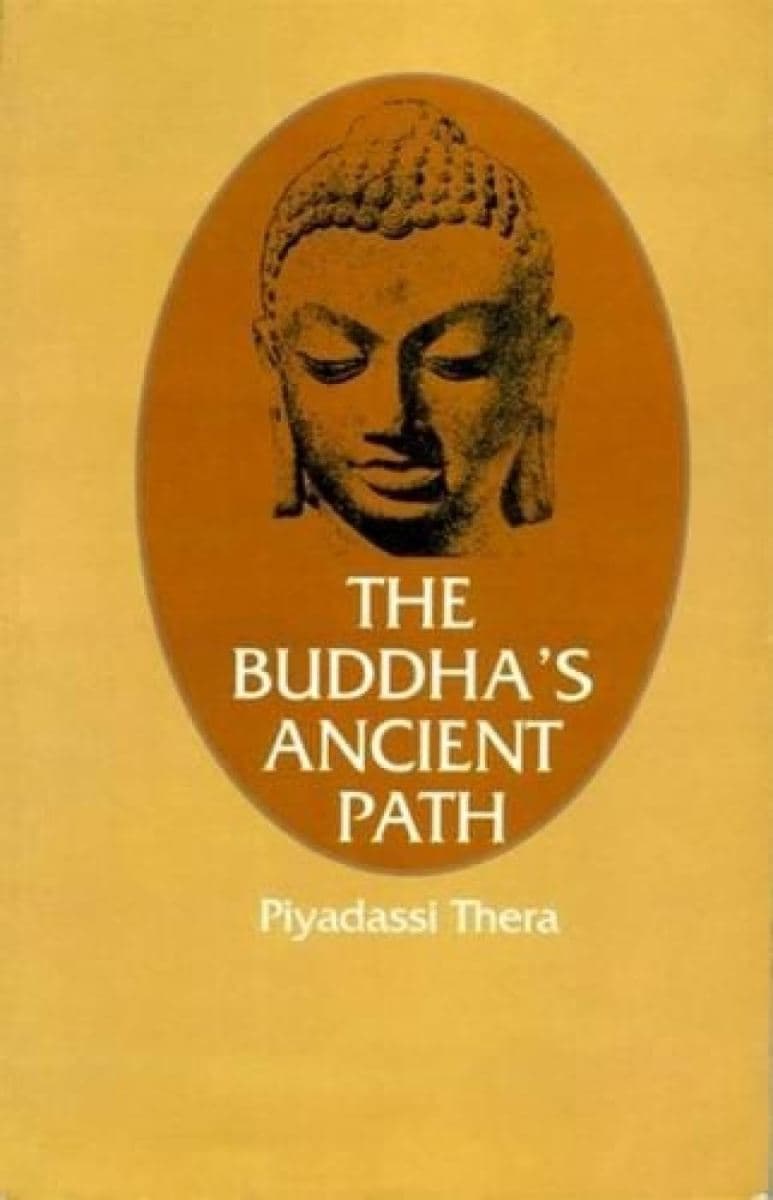
The Buddha’s Ancient Path
Piyadassi Thera
Book·10.7 MB
229 pages1979223
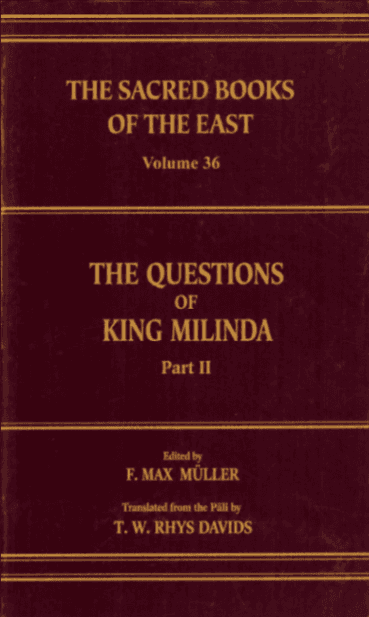
The Questions of King Milinda, Part II
F. Max Müller (Editor)
Book·20.8 MB
427 pages1894208

A Taste of Freedom
Venerable Ajahn Chah / Phra Bodhinyana Thera
Book·1.2 MB
104 pages1980207
Buddhist Meditation: An Anthology of Texts from the Pāli Canon
Sarah Shaw (General Editors: Charles S. Prebish and Damien Keown)
Book·17.5 MB
253 pages2006204