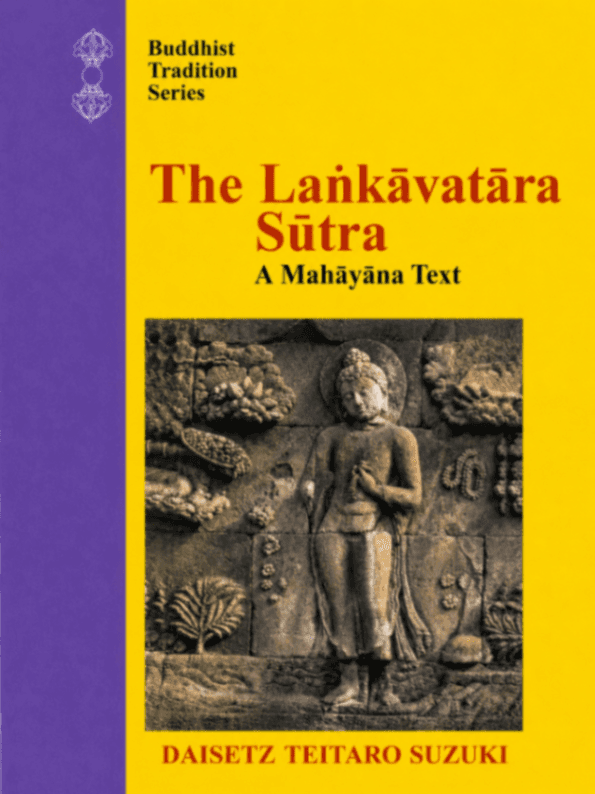
The Laṅkāvatāra Sūtra: A Mahāyāna Text
Introduction
The scripture repeatedly contrasts conceptual discrimination with direct, nondual wisdom. Important doctrines include the three svabhāvas—imagined, dependent, and perfected modes of experience—the distinction between relative and ultimate truth, tathāgatagarbha, emptiness, causation, nirvāṇa, momentariness, and the relation between language and reality. It warns against attachment to names, propositions, philosophical categories, and notions of an independently existing self or external world.
The text also places strong emphasis on the Bodhisattva ideal, self-realization, compassion, spiritual discipline, and the Buddha’s salvific activity. Later chapters address transformation, the impermanence of phenomena, Tathāgatahood, dhāraṇīs, and the prohibition of meat-eating. The concluding Sagāthakam restates many central teachings in verse. Overall, the work combines Yogācāra-oriented psychology, tathāgatagarbha thought, nondual epistemology, and Mahāyāna soteriology into a sustained account of awakening beyond conceptual discrimination.
Copyright Notice
This material is provided solely for academic research, study, and religious practice purposes under Article 25 of Vietnam's Intellectual Property Law. Reproduction, distribution, or commercial use is strictly prohibited.
If you are the author, translator, publisher, or rights holder and believe this content has been posted without proper authorization, please contact us and we will promptly review and remove or restrict access.
Documents
The Laṅkāvatāra Sūtra: A Mahāyāna Text
91.6 MB
Keywords
Sách đọc nhiều nhất
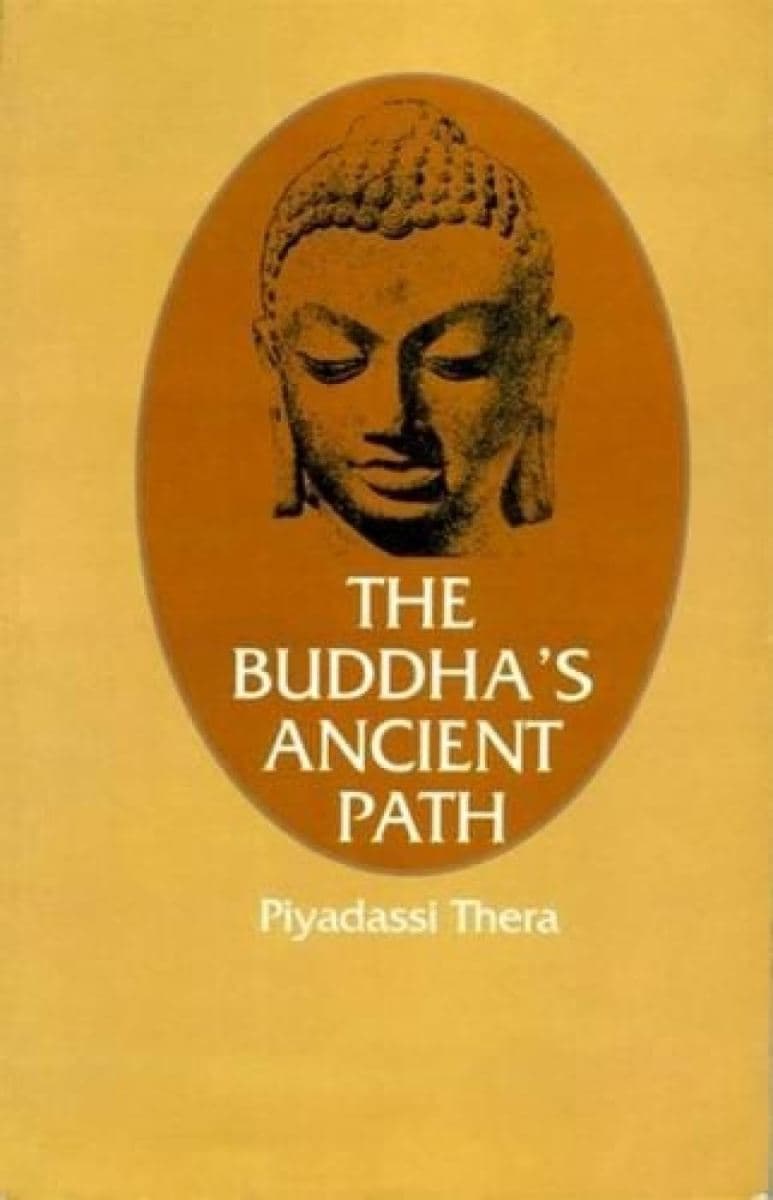
The Buddha’s Ancient Path
Piyadassi Thera
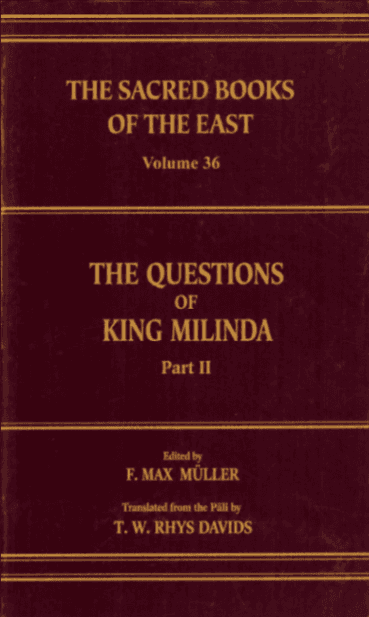
The Questions of King Milinda, Part II
F. Max Müller (Editor)

A Taste of Freedom
Venerable Ajahn Chah / Phra Bodhinyana Thera
Buddhist Meditation: An Anthology of Texts from the Pāli Canon
Sarah Shaw (General Editors: Charles S. Prebish and Damien Keown)