English
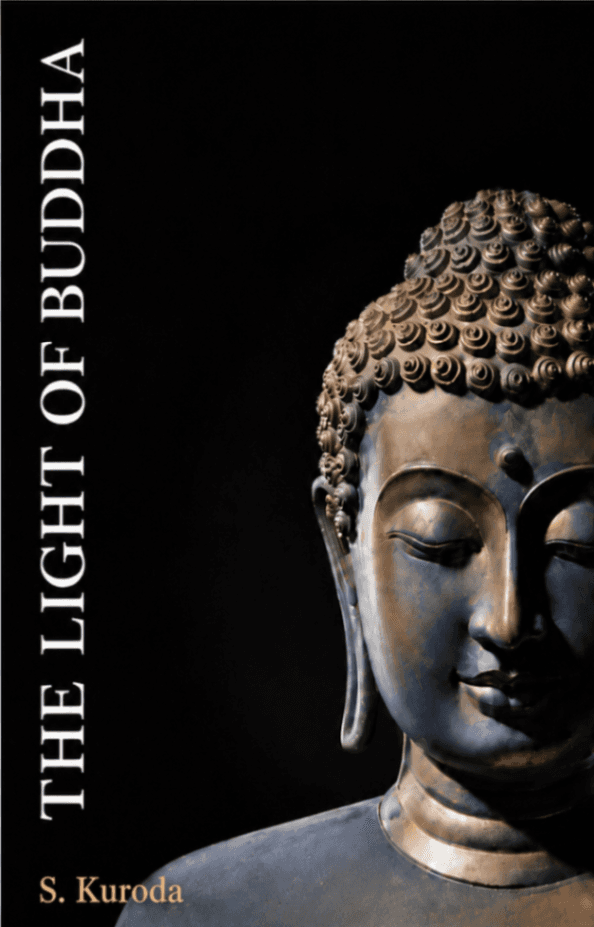
The Light of Buddha
S. Kuroda
English
Book
Dairoku-Kyōku-Kyōmusho, Osaka, Japan
1903
106 pages
2.6 MB
Introduction
The book presents Buddhism as a complete path of doctrine and practice rooted in the teaching of Śākyamuni Buddha and transmitted through the wider Mahāyāna tradition of East Asia. Its main doctrinal exposition centers on karma as absolute causality, the continuity of birth and death through dependent conditions, the denial of a permanent ego, and the simultaneous affirmation of existence and non-existence as two aspects of reality. It explains that human life is governed by karmic action rather than by a creator or immortal soul, and that liberation requires insight into the impermanent, conditioned, and non-substantial nature of all things. The chapter on Buddha distinguishes the historical Śākyamuni from the deeper, indestructible and eternal meaning of Buddhahood, while the final chapter links doctrine to practice through moral conduct, meditation, wisdom, purification of mind, faith, and compassionate action. The work also gives a clear account of Japanese Buddhist sectarian life, especially the distinction between self-powered practice and Pure Land devotion, concluding that sincere faith in Amitābha and the repetition of his name offer an accessible path to salvation while remaining grounded in Buddhist ethical discipline.
Copyright Notice
This material is provided solely for academic research, study, and religious practice purposes under Article 25 of Vietnam's Intellectual Property Law. Reproduction, distribution, or commercial use is strictly prohibited.
If you are the author, translator, publisher, or rights holder and believe this content has been posted without proper authorization, please contact us and we will promptly review and remove or restrict access.
Documents
The Light of Buddha
2.6 MB
Keywords
The Light of BuddhaS. KurodaMahāyānakarmatransmigrationAmitābhaJapanese Buddhism
Sách cùng tác giả
Sách đọc nhiều nhất
The Buddha’s Ancient Path
Piyadassi Thera
Book·10.7 MB
229 pages1979223
The Questions of King Milinda, Part II
F. Max Müller (Editor)
Book·20.8 MB
427 pages1894208

A Taste of Freedom
Venerable Ajahn Chah / Phra Bodhinyana Thera
Book·1.2 MB
104 pages1980207
Buddhist Meditation: An Anthology of Texts from the Pāli Canon
Sarah Shaw (General Editors: Charles S. Prebish and Damien Keown)
Book·17.5 MB
253 pages2006204