English
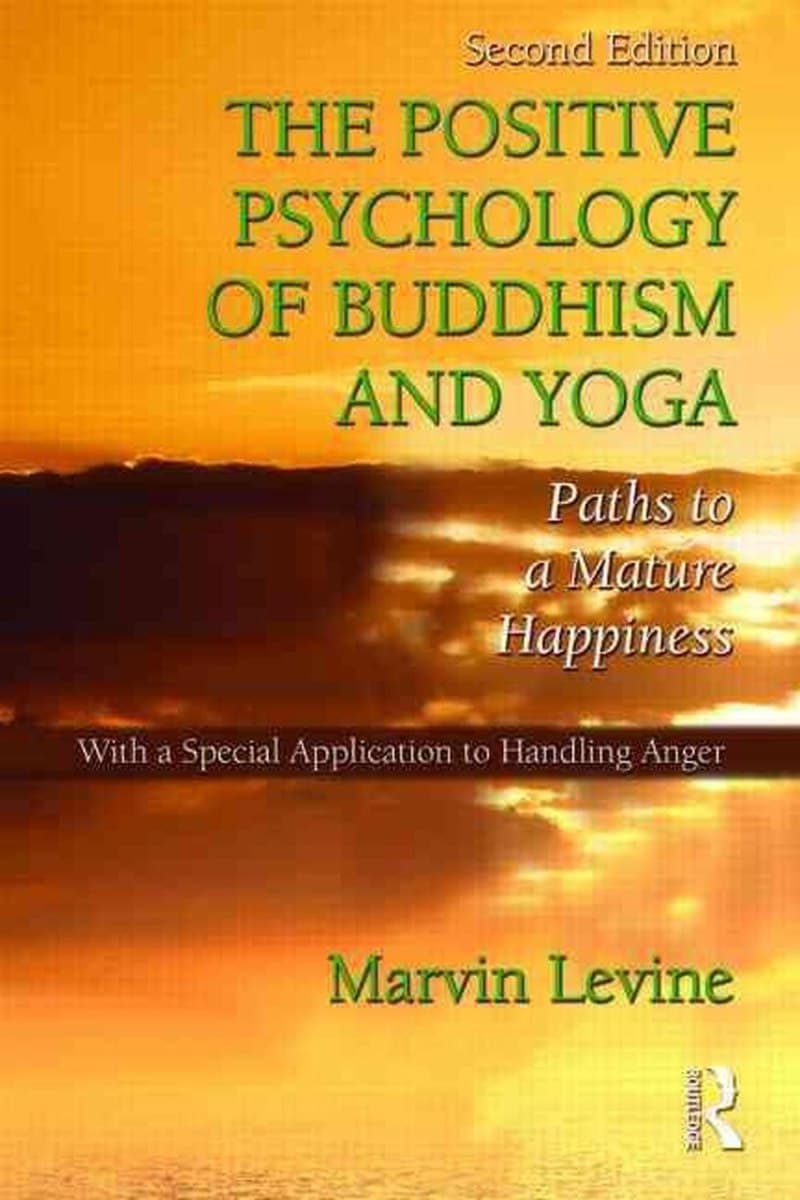
The Positive Psychology of Buddhism and Yoga: Paths to a Mature Happiness with a Special Application to Handling Anger
Marvin Levine
English
Book
Lawrence Erlbaum Associates
2000
255 pages
1.5 MB
Introduction
The book is organized into four major parts. The first part presents Buddhism through the life of Siddhartha, the Hindu context, the Four Noble Truths, dukkha, craving, nirvāṇa, compassion, maturity, anātman, and the Eightfold Path. The second part turns to Yoga, comparing it with Buddhism and discussing Haṭha Yoga, śavāsana, focused attention, judgment, daily-life practice, the unenlightened mind, the eight aṅgas, and the enlightened mind. The third part connects Buddhism and Yoga with Western psychology, especially mindfulness, cognitive therapy, problem-solving, compassionate action, and empathic assertiveness. The fourth part applies the whole framework to anger, analyzing its nature, assumptions, physiological dynamics, and practical methods for reducing anger through right view, attitude change, breathing, relaxation, waiting, rehearsal, and cognitive reinterpretation.
Copyright Notice
This material is provided solely for academic research, study, and religious practice purposes under Article 25 of Vietnam's Intellectual Property Law. Reproduction, distribution, or commercial use is strictly prohibited.
If you are the author, translator, publisher, or rights holder and believe this content has been posted without proper authorization, please contact us and we will promptly review and remove or restrict access.
Documents
The Positive Psychology of Buddhism and Yoga: Paths to a Mature Happiness with a Special Application to Handling Anger
1.5 MB
Keywords
Positive PsychologyBuddhismYogaMature HappinessAnger ManagementMindfulnessWestern Psychology.
Sách đọc nhiều nhất
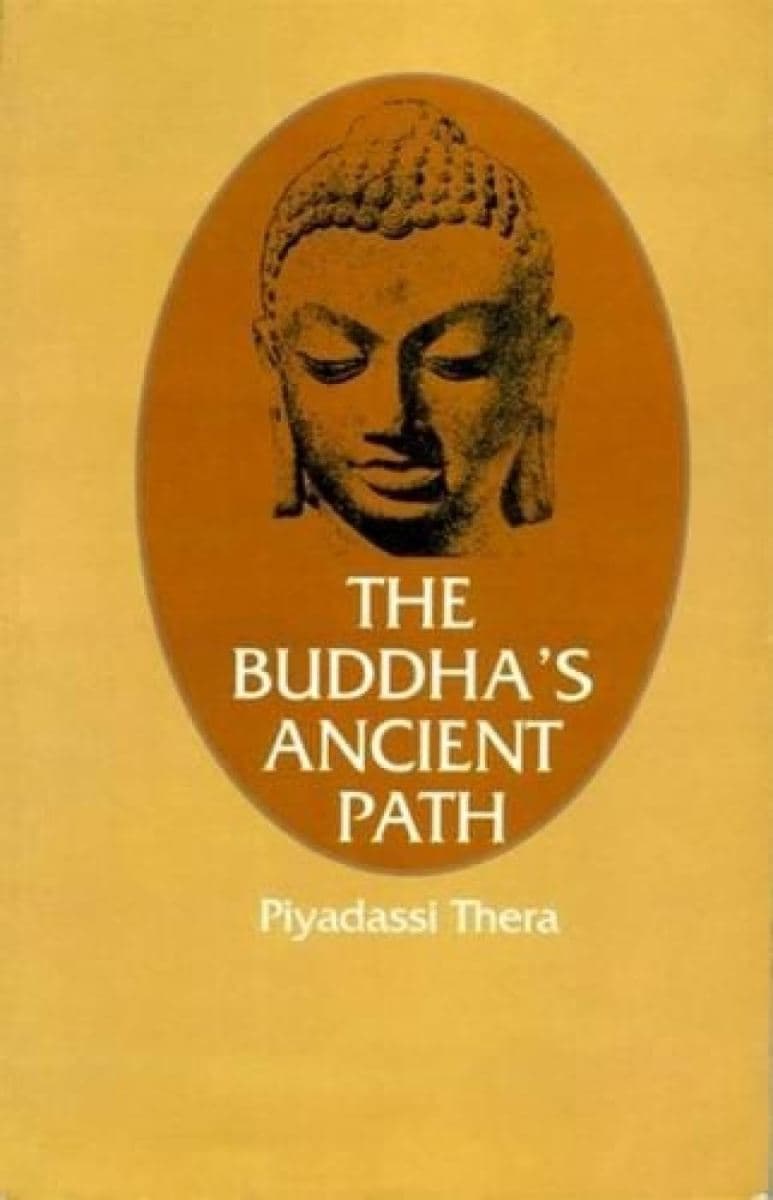
The Buddha’s Ancient Path
Piyadassi Thera
Book·10.7 MB
229 pages1979223
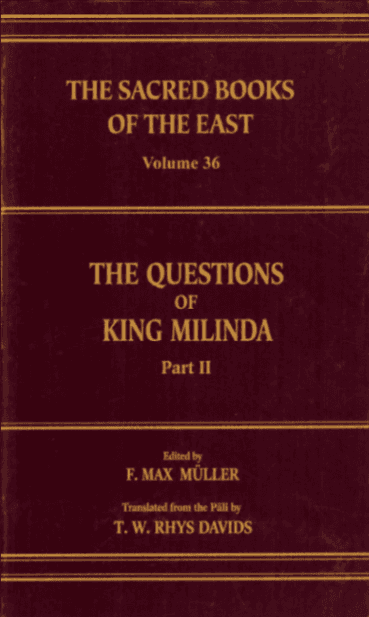
The Questions of King Milinda, Part II
F. Max Müller (Editor)
Book·20.8 MB
427 pages1894208

A Taste of Freedom
Venerable Ajahn Chah / Phra Bodhinyana Thera
Book·1.2 MB
104 pages1980207
Buddhist Meditation: An Anthology of Texts from the Pāli Canon
Sarah Shaw (General Editors: Charles S. Prebish and Damien Keown)
Book·17.5 MB
253 pages2006204