
English
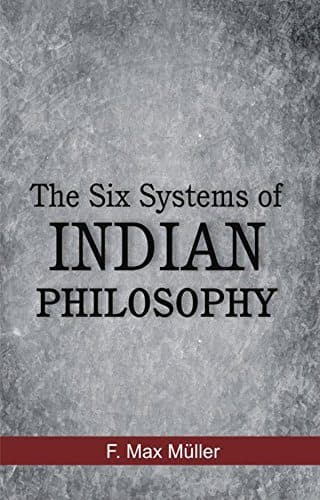
The Six Systems of Indian Philosophy
Max Müller
English
Book
New Impression by Longmans, Green and Co.
1919
478 pages
50.9 MB
Introduction
The book opens with the intellectual background of Indian philosophy, including ancient philosophical life, the Upanishads, Buddhist contexts, and the literary transmission of ideas. It then discusses the Vedas as the foundation for later speculation, focusing on Vedic gods, tendencies toward unity, Brahman, Ātman, speech, mind, and early metaphysical concepts. The central chapters present the six systems through their principal doctrines and internal logic: Vedānta or Uttara-Mīmāṃsā is treated through Bādarāyaṇa, Brahman, the Upanishads, causation, avidyā, mokṣa, and Rāmānuja; Pūrva-Mīmāṃsā is examined through Vedic authority, ritual interpretation, and Jaimini’s pramāṇas; Sāṃkhya is discussed through Kapila, puruṣa, prakṛti, the guṇas, causality, evolution, and liberation; Yoga is explained through Patañjali, īśvara, citta, samādhi, vairāgya, yogāṅgas, siddhis, and kaivalya; Nyāya and Vaiśeṣika are presented through logic, inference, means of knowledge, categories, padārthas, atoms, causality, self, and liberation.
Copyright Notice
This material is provided solely for academic research, study, and religious practice purposes under Article 25 of Vietnam's Intellectual Property Law. Reproduction, distribution, or commercial use is strictly prohibited.
If you are the author, translator, publisher, or rights holder and believe this content has been posted without proper authorization, please contact us and we will promptly review and remove or restrict access.
Documents
The Six Systems of Indian Philosophy
50.9 MB
Keywords
Indian philosophysix darśanasVedāntaSāṃkhyaYogaNyāyaVaiśeṣika.
Sách đọc nhiều nhất
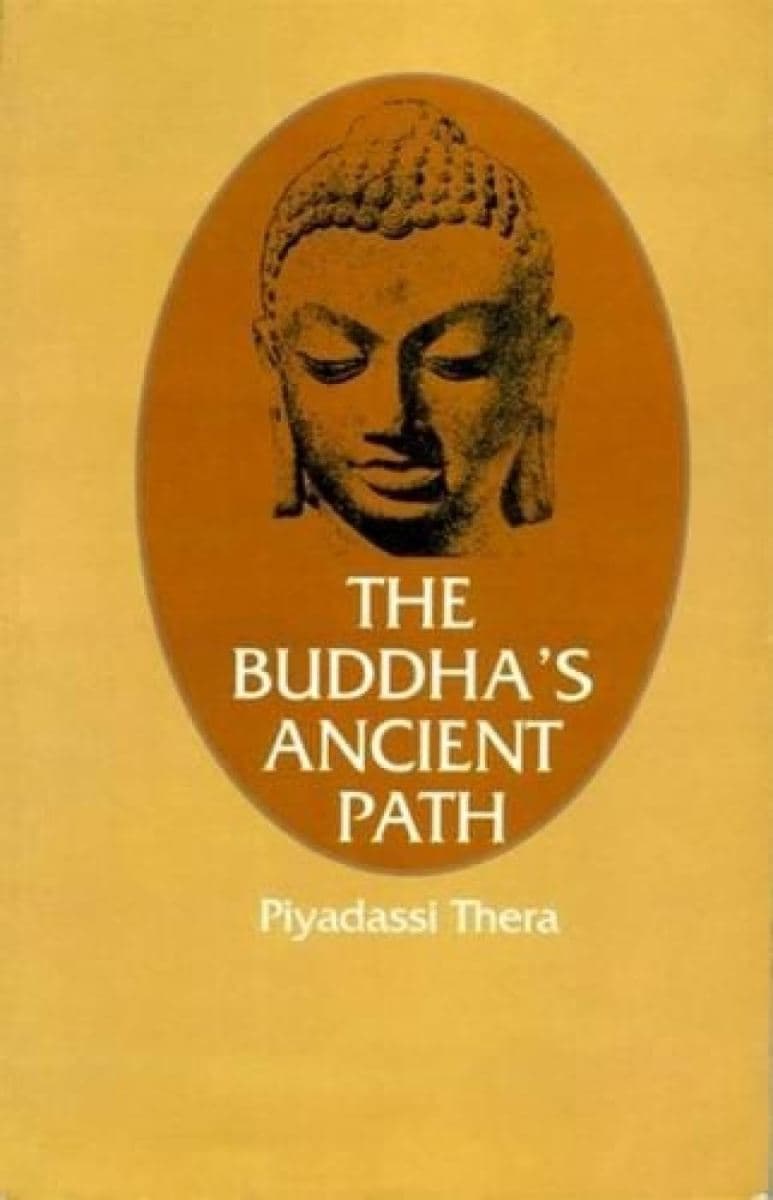
The Buddha’s Ancient Path
Piyadassi Thera
Book·10.7 MB
229 pages1979223
The Questions of King Milinda, Part II
F. Max Müller (Editor)
Book·20.8 MB
427 pages1894208

A Taste of Freedom
Venerable Ajahn Chah / Phra Bodhinyana Thera
Book·1.2 MB
104 pages1980207
Buddhist Meditation: An Anthology of Texts from the Pāli Canon
Sarah Shaw (General Editors: Charles S. Prebish and Damien Keown)
Book·17.5 MB
253 pages2006204