English
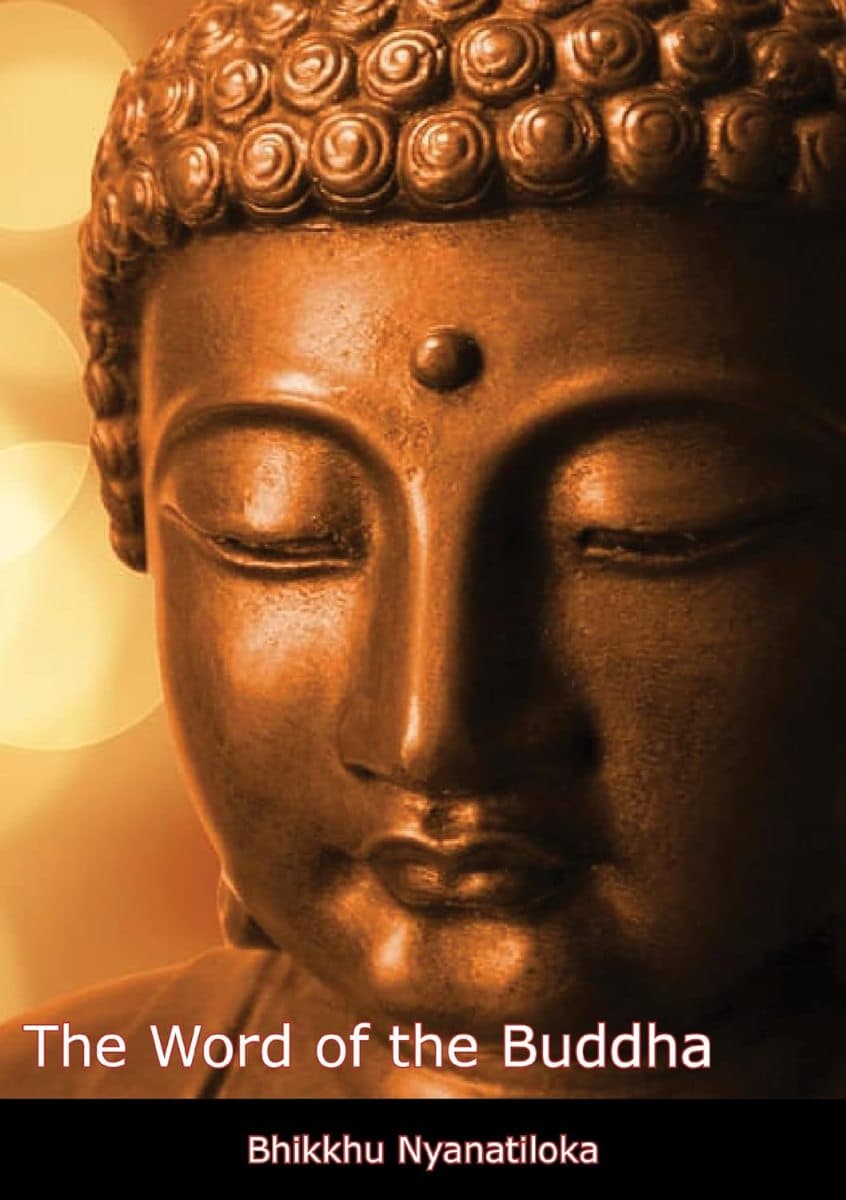
The Word of the Buddha
Nyanatiloka
English
Book
Buddhist Publication Society, Kandy, Ceylon
89 pages
843 KB
Introduction
The main content opens by defining the Buddha as the Enlightened One, the Dhamma as the teaching of deliverance, and the Saṅgha as the monastic community, then establishes the Threefold Refuge and Five Precepts as the foundation of Buddhist commitment. The doctrinal core is structured through the Four Noble Truths. The First Truth analyzes suffering through birth, decay, death, sorrow, pain, grief, despair, and the five aggregates of existence: corporeality, feeling, perception, mental formations, and consciousness. It also explains the four material elements, the dependent arising of consciousness, impermanence, suffering, non-self, saṃsāra, and the urgency of liberation. The Second Truth identifies craving as the origin of suffering, including sensual craving, craving for existence, craving for self-annihilation, dependent origination, karma, volition, and the inheritance of deeds. The Third Truth explains the extinction of suffering through the cessation of craving, the ending of dependent origination, Nibbāna, and the arahant ideal. The Fourth Truth presents the Middle Path and Noble Eightfold Path, with detailed treatment of right understanding, right thought, right speech, right action, right livelihood, right effort, right mindfulness, right concentration, gradual training, insight, and final liberation.
Copyright Notice
This material is provided solely for academic research, study, and religious practice purposes under Article 25 of Vietnam's Intellectual Property Law. Reproduction, distribution, or commercial use is strictly prohibited.
If you are the author, translator, publisher, or rights holder and believe this content has been posted without proper authorization, please contact us and we will promptly review and remove or restrict access.
Documents
The Word of the Buddha
843 KB
Keywords
Buddha-vacanaFour Noble TruthsNoble Eightfold PathNibbānaanattākarmaPāli Canon.
Sách đọc nhiều nhất
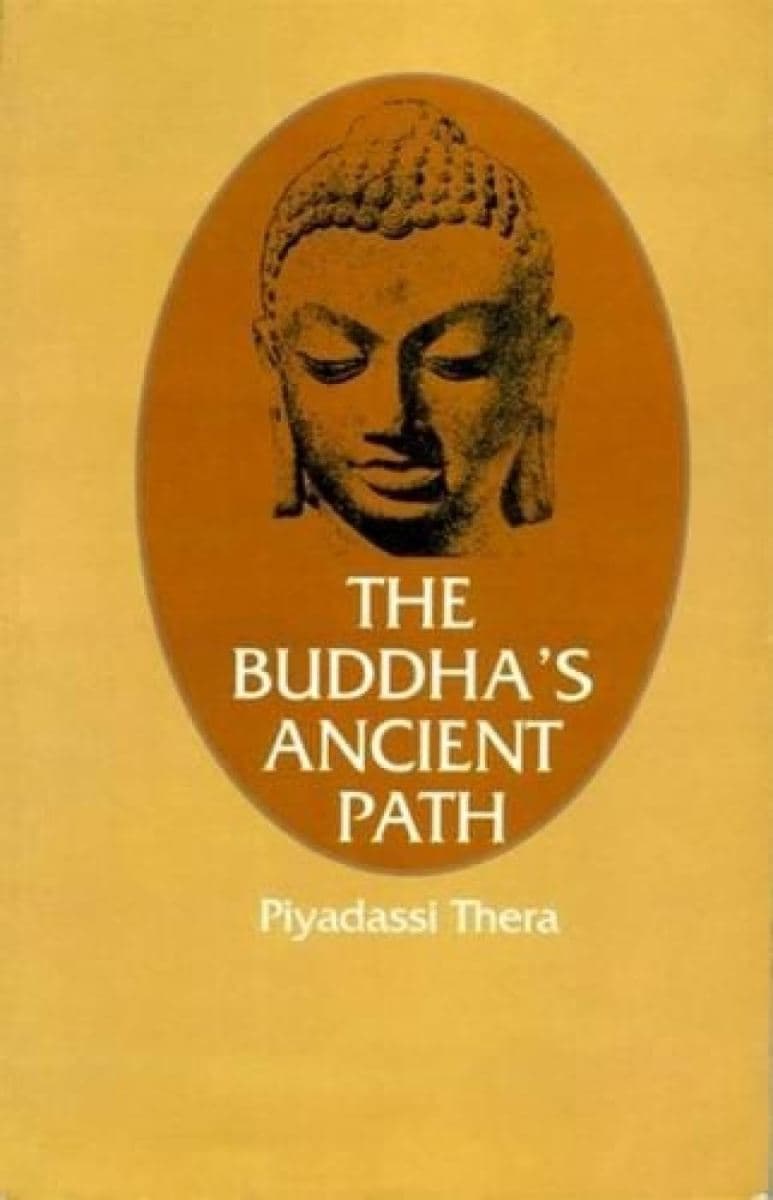
The Buddha’s Ancient Path
Piyadassi Thera
Book·10.7 MB
229 pages1979223
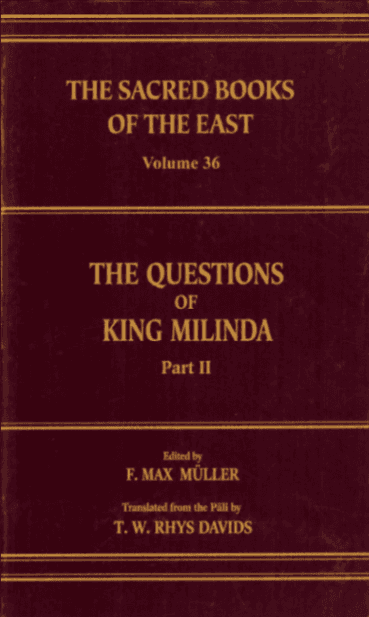
The Questions of King Milinda, Part II
F. Max Müller (Editor)
Book·20.8 MB
427 pages1894208
A Taste of Freedom
Venerable Ajahn Chah / Phra Bodhinyana Thera
Book·1.2 MB
104 pages1980207
Buddhist Meditation: An Anthology of Texts from the Pāli Canon
Sarah Shaw (General Editors: Charles S. Prebish and Damien Keown)
Book·17.5 MB
253 pages2006204