English
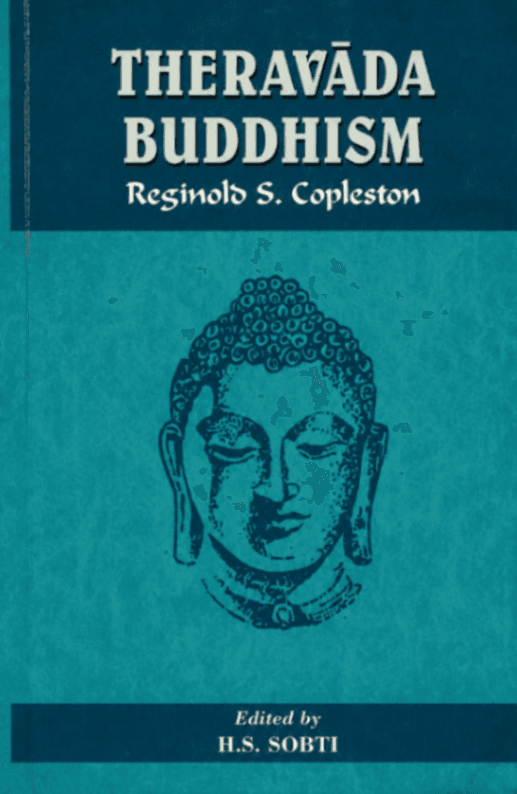
Theravāda Buddhism
Reginald S. Copleston
English
Book
Eastern Book Linkers, Delhi
1993
199 pages
163.9 MB
Introduction
The book’s main content is organized into seventeen chapters. It opens with a general historical sketch of early Buddhism, the social and intellectual setting of ancient India, the rise of Gotama’s teaching, the formation of the early community, the compilation of the Pitakas, the importance of Aśoka, the transmission of Buddhism to Ceylon, and the later role of Buddhaghosa in shaping the Ceylonese Theravāda tradition. The chapter on the life of Gotama presents the Buddha’s career as a teacher whose principles became the refuge of his followers after his passing. Subsequent chapters explain the Buddhist moral system, the ideal of Buddhism, the abolition of ignorance, the Four Truths, and the structure of Buddhist ethics through vices, virtues, and precepts. The book then studies the special moral rules of the community through the Pātimokkha, the religion of the laity, meditation and supernatural attainments, caste, disciplinary rules, and the female community. The final chapter addresses the critical history of canonical literature, giving the work a textual and historical dimension alongside its ethical and institutional analysis.
Copyright Notice
This material is provided solely for academic research, study, and religious practice purposes under Article 25 of Vietnam's Intellectual Property Law. Reproduction, distribution, or commercial use is strictly prohibited.
If you are the author, translator, publisher, or rights holder and believe this content has been posted without proper authorization, please contact us and we will promptly review and remove or restrict access.
Documents
Theravāda Buddhism
163.9 MB
Keywords
Theravāda BuddhismCeylon BuddhismPāli CanonBuddhist EthicsFour Noble TruthsPātimokkhaBuddhist Monasticism.
Sách đọc nhiều nhất
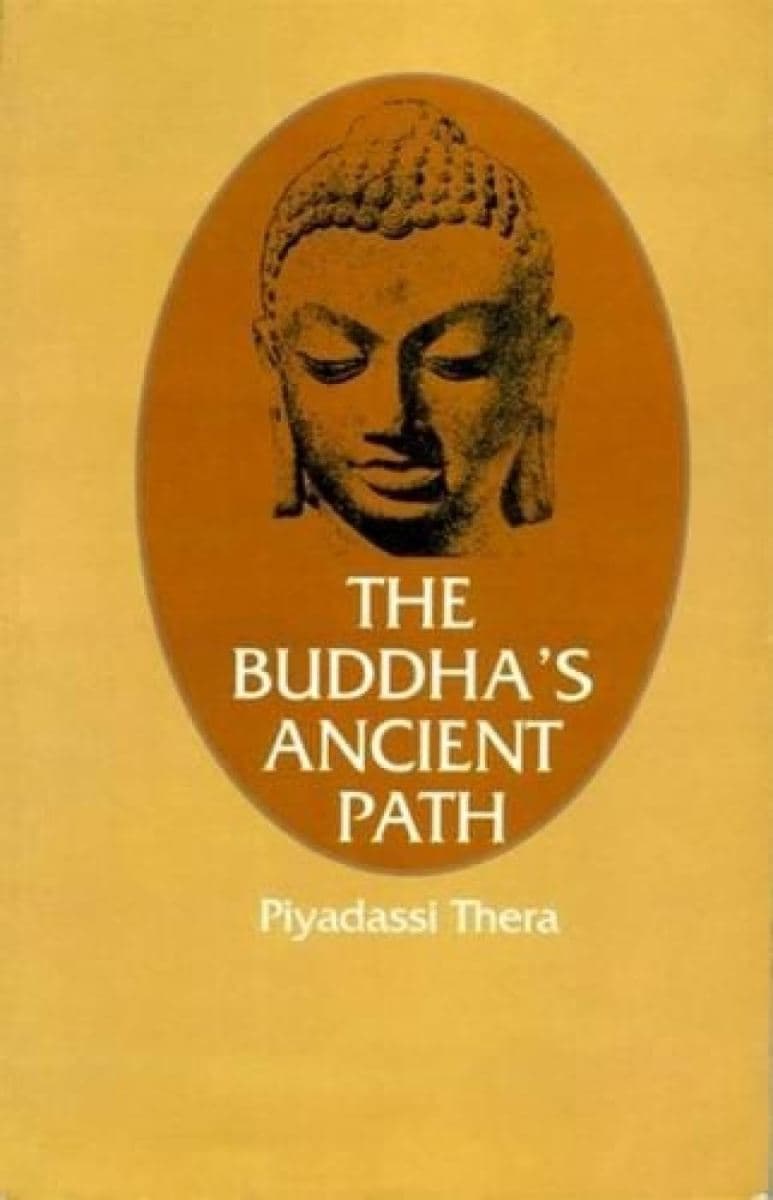
The Buddha’s Ancient Path
Piyadassi Thera
Book·10.7 MB
229 pages1979223
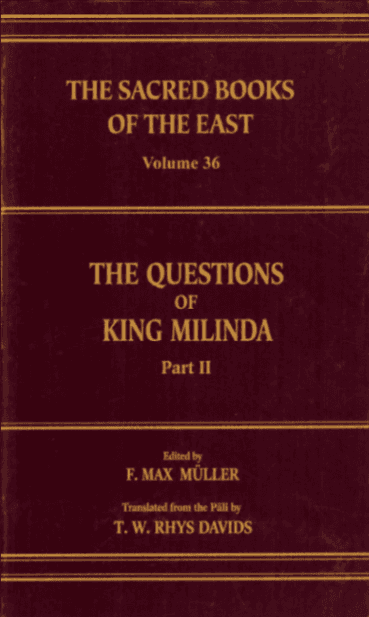
The Questions of King Milinda, Part II
F. Max Müller (Editor)
Book·20.8 MB
427 pages1894208

A Taste of Freedom
Venerable Ajahn Chah / Phra Bodhinyana Thera
Book·1.2 MB
104 pages1980207
Buddhist Meditation: An Anthology of Texts from the Pāli Canon
Sarah Shaw (General Editors: Charles S. Prebish and Damien Keown)
Book·17.5 MB
253 pages2006204