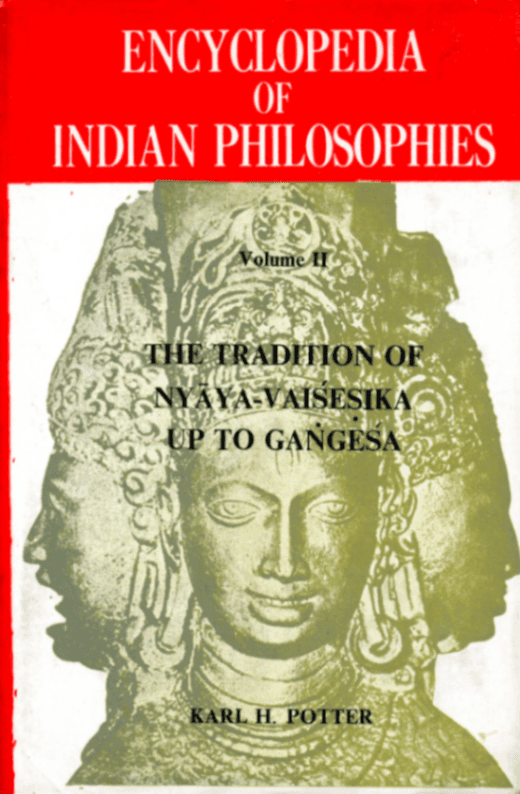
Encyclopedia of Indian Philosophies, Volume II: Indian Metaphysics and Epistemology—The Tradition of Nyāya-Vaiśeṣika up to Gaṅgeśa
Introduction
Copyright Notice
This material is provided solely for academic research, study, and religious practice purposes under Article 25 of Vietnam's Intellectual Property Law. Reproduction, distribution, or commercial use is strictly prohibited.
If you are the author, translator, publisher, or rights holder and believe this content has been posted without proper authorization, please contact us and we will promptly review and remove or restrict access.
Documents
Encyclopedia of Indian Philosophies, Volume II: Indian Metaphysics and Epistemology—The Tradition of Nyāya-Vaiśeṣika up to Gaṅgeśa
68.7 MB
Series: Encyclopedia of Indian Philosophies
Select a volume to see details or navigate between parts.
Encyclopedia of Indian Philosophies, Volume II: Indian Metaphysics and Epistemology—The Tradition of Nyāya-Vaiśeṣika up to Gaṅgeśa
Keywords
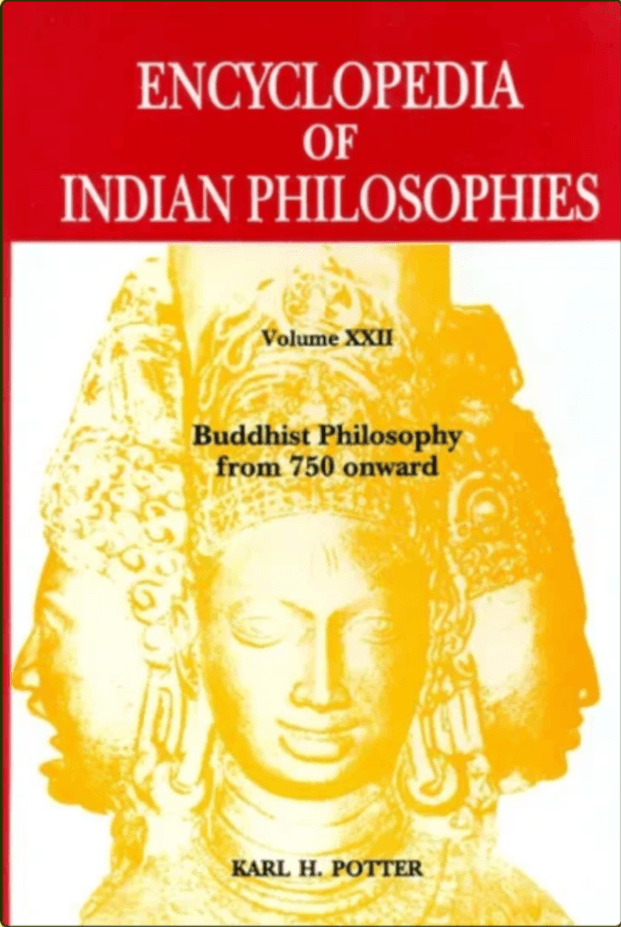
Sách cùng tác giả
Sách đọc nhiều nhất
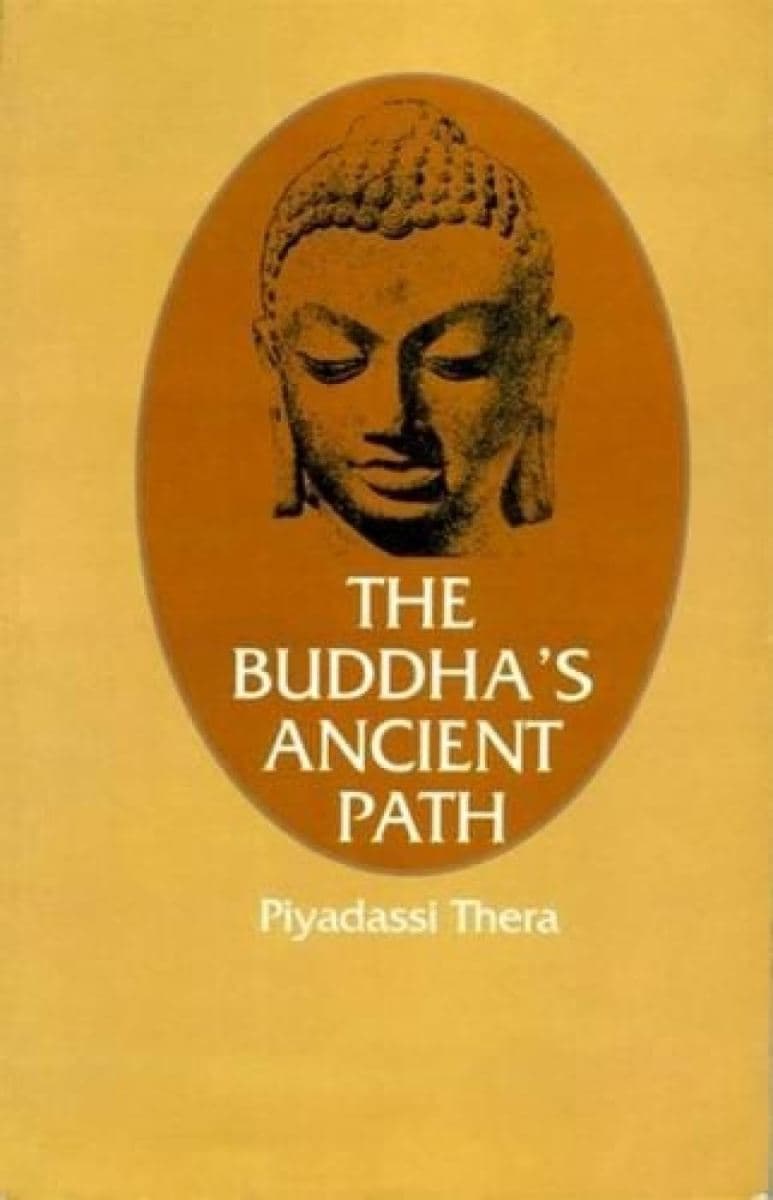
The Buddha’s Ancient Path
Piyadassi Thera
The Questions of King Milinda, Part II
F. Max Müller (Editor)
A Taste of Freedom
Venerable Ajahn Chah / Phra Bodhinyana Thera
Buddhist Meditation: An Anthology of Texts from the Pāli Canon
Sarah Shaw (General Editors: Charles S. Prebish and Damien Keown)