Giới thiệu
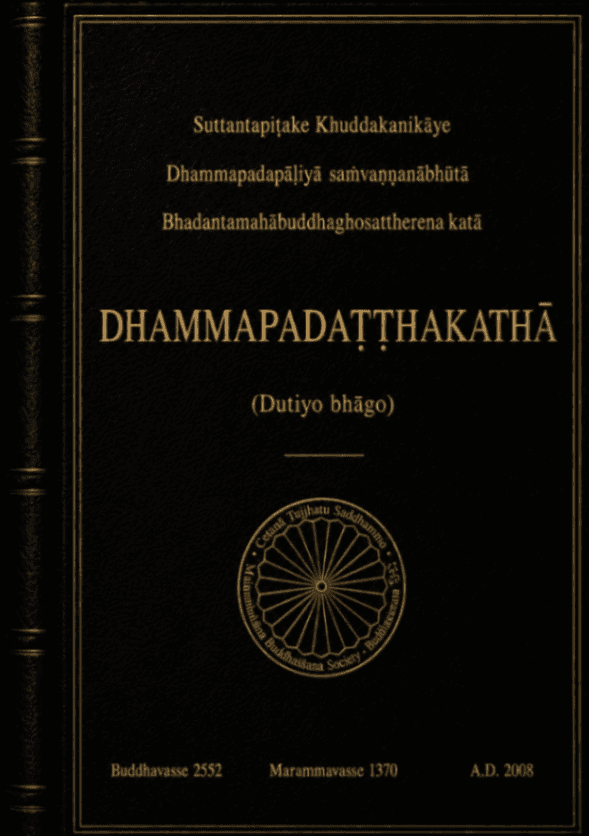
9. Pāpavagga: Discusses evil action, moral urgency, and karmic consequence through stories such as Cūḷekasāṭakabrāhmaṇa, Lājadevadhītā, Anāthapiṇḍikaseṭṭhi, Mahādhanavāṇija, and Subbabuddhasakya.
10. Daṇḍavagga: Explains punishment, violence, restraint, and compassion, with narratives involving Chabbaggiyabhikkhu, Koṇḍadhānatthera, Mahāmoggallānatthera, Santatimahāmatta, and Sukhasāmaṇera.
11. Jarāvagga: Focuses on aging, decay, beauty, and impermanence through accounts of Visākhā’s companions, Sirimā, Uttarātherī, Rūpanandātherī, Mallikādevī, and Mahādhanaseṭṭhiputta.
12. Attavagga: Presents self-discipline, personal responsibility, and ethical self-protection through stories of Bodhirājakumāra, Upanandasakyaputta, Padhānikatissatthera, Mahākāla-upāsaka, Devadatta, and Attadattatthera.
13. Lokavagga: Explains the nature of the world, delusion, and right seeing, with narratives including Suddhodana, Aṅgulimālatthera, Ciñcamāṇavikā, Asadisadāna, and Anāthapiṇḍika’s son Kāla.
14. Buddhavagga: Discusses the Buddha’s qualities, refuge, awakening, and supreme wisdom through stories of Māra’s daughters, Devorohaṇa, Erakapattanāgarāja, Ānandatthera’s questions, and Aggidattabrāhmaṇa.
15. Sukhavagga: Explains true happiness, peace, contentment, and spiritual welfare through narratives such as Ñātikalahavūpasamana, Māra, Pasenadi Kosala, Tissatthera, and Sakka.
16. Piyavagga: Examines affection, attachment, loss, and emotional bondage through stories involving Visākhā, the Licchavīs, Anitthigandhakumāra, Nandiya, and other lay and monastic figures.
17. Kodhavagga: Treats anger, patience, forgiveness, and moral restraint through accounts of Rohinīkhattiyakaññā, Uttarā-upāsikā, Mahāmoggallānatthera, Puṇṇadāsī, Atula-upāsaka, and Chabbaggiyavatthu.
18. Malavagga: Explains impurity, moral stain, and purification through stories of Goghātakaputta, Tissatthera, Lāludāyitthera, Cūḷasāri, Meṇḍakaseṭṭhi, and Subhaddaparibbājaka.
19. Dhammaṭṭhavagga: Defines justice, true wisdom, right judgment, and genuine spiritual status through narratives of Vinicchayamahāmatta, Ekudānatthera, Lakuṇḍakabhaddiya, Hatthaka, and others.
20. Maggavagga: Presents the path, insight, impermanence, suffering, non-self, and liberation through stories connected with Aniccalakkhaṇa, Dukkhalakkhaṇa, Anattalakkhaṇa, Poṭṭhilatthera, Kisāgotamī, and Paṭācārā.
21. Pakiṇṇakavagga: Contains miscellaneous teachings on past kamma, merit, renunciation, solitude, and spiritual discipline through stories such as Attanopubbakamma, Bhaddiyabhikkhu, Cittagahapati, and Ekavihāritthera.
22. Nirayavagga: Discusses hell, misconduct, falsehood, and painful results through narratives including Sundarīparibbājikā, Duccaritaphalapīḷita, Khemakaseṭṭhiputta, Dubbacabhikkhu, and Titthiyasāvaka.
23. Nāgavagga: Uses the image of the noble elephant to explain endurance, restraint, and dignity, with stories of Attadaṇḍa, Sānusāmaṇera, Pāveyyakahatthi, and Māra.
24. Taṇhāvagga: Explains craving, bondage, desire, and release through accounts of Kapilamaccha, Sūkarapotikā, Vibbhantabhikkhu, Khemātherī, Uggasena, Sakka’s question, and Aṅkura.
25. Bhikkhuvagga: Describes the discipline, restraint, mindfulness, and conduct of a true bhikkhu through stories of Pañcabhikkhu, Kokālika, Dhammārāmatthera, Vakkalitthera, Sumanasāmaṇera, and others.
26. Brāhmaṇavagga: Reinterprets the true “brāhmaṇa” as one purified by wisdom, restraint, and liberation, with narratives involving Sāriputta, Mahāpajāpatigotamī, Uppalavaṇṇātherī, Khemābhikkhunī, Sīvalitthera, Aṅgulimāla, and Devahitabrāhmaṇa.
Nigamanakathā: Concluding section closing the second volume of the Dhammapadaṭṭhakathā.